
Hygge Travel Experiences: Areatsunami Danish Tips for a Slower Denmark Trip
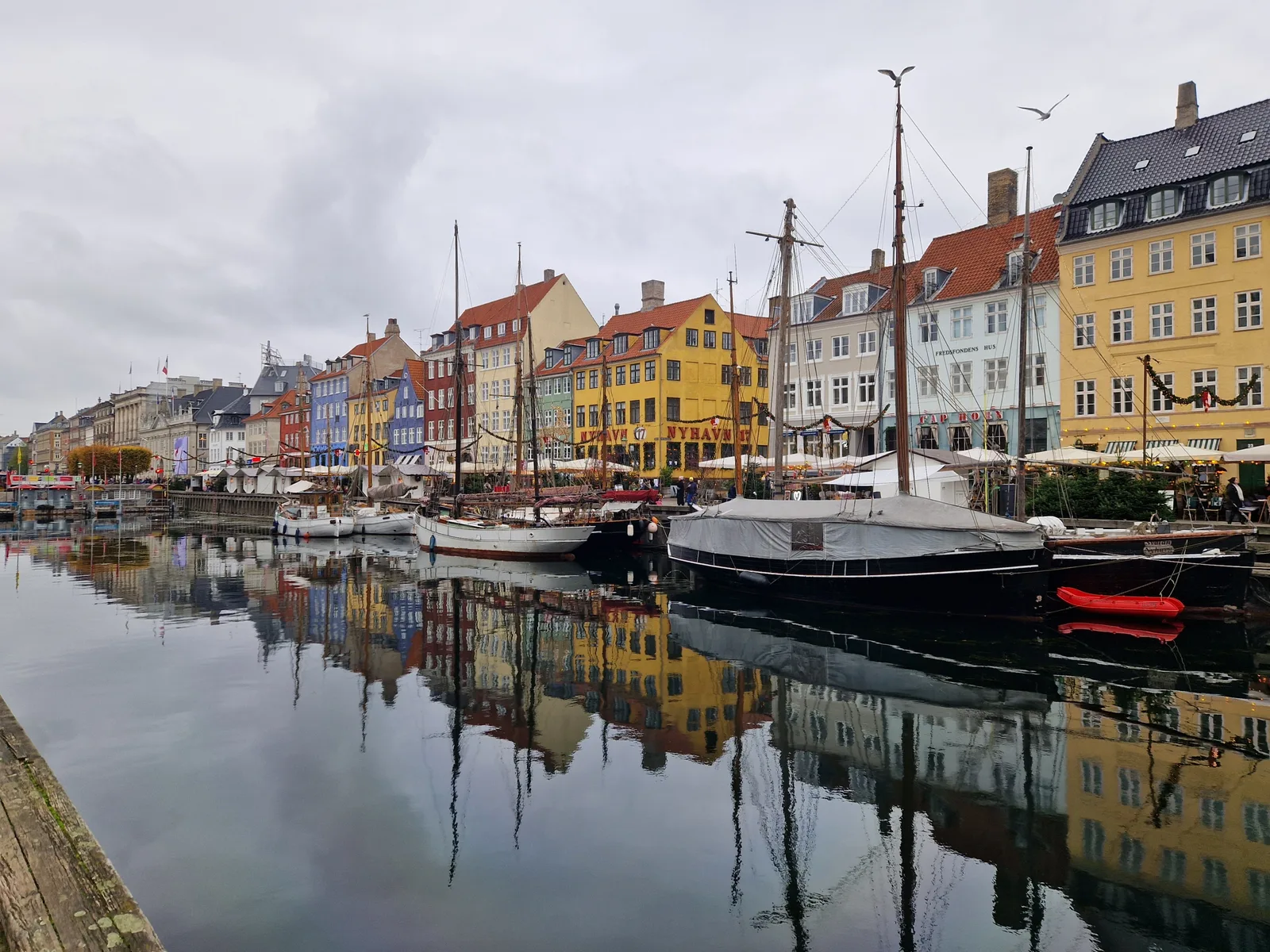


Hygge travel is a way of visiting Denmark with less rushing and more attention to comfort, connection, food, light, and everyday places. It is not a list of attractions to complete. The best hygge trip leaves room for a bakery stop, a long dinner, a walk in changing weather, and an evening that is not planned minute by minute.
The phrase “Areatsunami Danish tips” appears online, but it is not a recognized Danish term or a defined part of hygge culture. Travelers looking for genuine Danish hygge should focus on the real idea: creating a warm atmosphere and enjoying simple moments, often with people you care about, without turning the experience into a performance.
What Hygge Means for Travelers
Hygge, pronounced roughly “hoo-gah,” is often translated as coziness, but that translation is too narrow. It can mean warmth, ease, togetherness, familiarity, and the pleasure of a calm moment. A candlelit table may feel hyggelig, but so can a summer picnic, a bike ride with friends, or reading alone beside a window during rain.
For travelers, hygge works best as a planning principle. Choose fewer bases, allow unplanned time, and do not judge a day by how many landmarks it contains. This approach is especially useful in Denmark, where weather can change quickly and some of the most satisfying moments happen in ordinary cafes, harbors, parks, and residential neighborhoods.
A Hygge Travel Plan Is Deliberately Unhurried
A standard city break often tries to fill every morning, afternoon, and evening. A hygge itinerary does the opposite. Pick one meaningful activity for each half-day, then leave space for a warm drink, a slow meal, or a walk. That space is not wasted time. It is what prevents the trip from becoming another schedule to manage.
A practical rhythm is simple: explore one area in the morning, eat without rushing, take a break at your accommodation or a cafe, then choose a short evening activity. This is more sustainable than crossing a city repeatedly and makes bad weather easier to handle.
When to Visit Denmark for Hygge
| Season | Best hygge experiences | What to plan for |
|---|---|---|
| Winter | Candlelit cafes, Christmas markets, museums, long dinners | Short daylight hours, cold rain, advance bookings during festive periods |
| Spring | Walks, bakeries, parks, quieter city breaks | Variable weather and a lighter indoor hygge atmosphere |
| Summer | Picnics, waterfront meals, cycling, outdoor concerts | Long days, higher demand, and less of the classic candlelit mood |
| Autumn | Coastal walks, cafes, design museums, slow city stays | Wind and rain make waterproof layers essential |
Winter gives travelers the most obvious hygge imagery, but it is not automatically the best season for everyone. The darker months are rewarding if you enjoy indoor culture, warm food, and seasonal lights. Travelers who want long walks, cycling, and waterfront evenings may prefer late spring or summer, when hygge shifts outdoors.
Where to Find a More Genuine Hygge Experience
Copenhagen is the easiest first base because it has a broad choice of cafes, bakeries, museums, design shops, waterfront areas, and public transport. The key is to use the city at a human pace. Spend time in one neighborhood instead of treating every district as a separate task. A quiet cafe, a bookshop, or an evening harbor walk can be as valuable as a major sight.
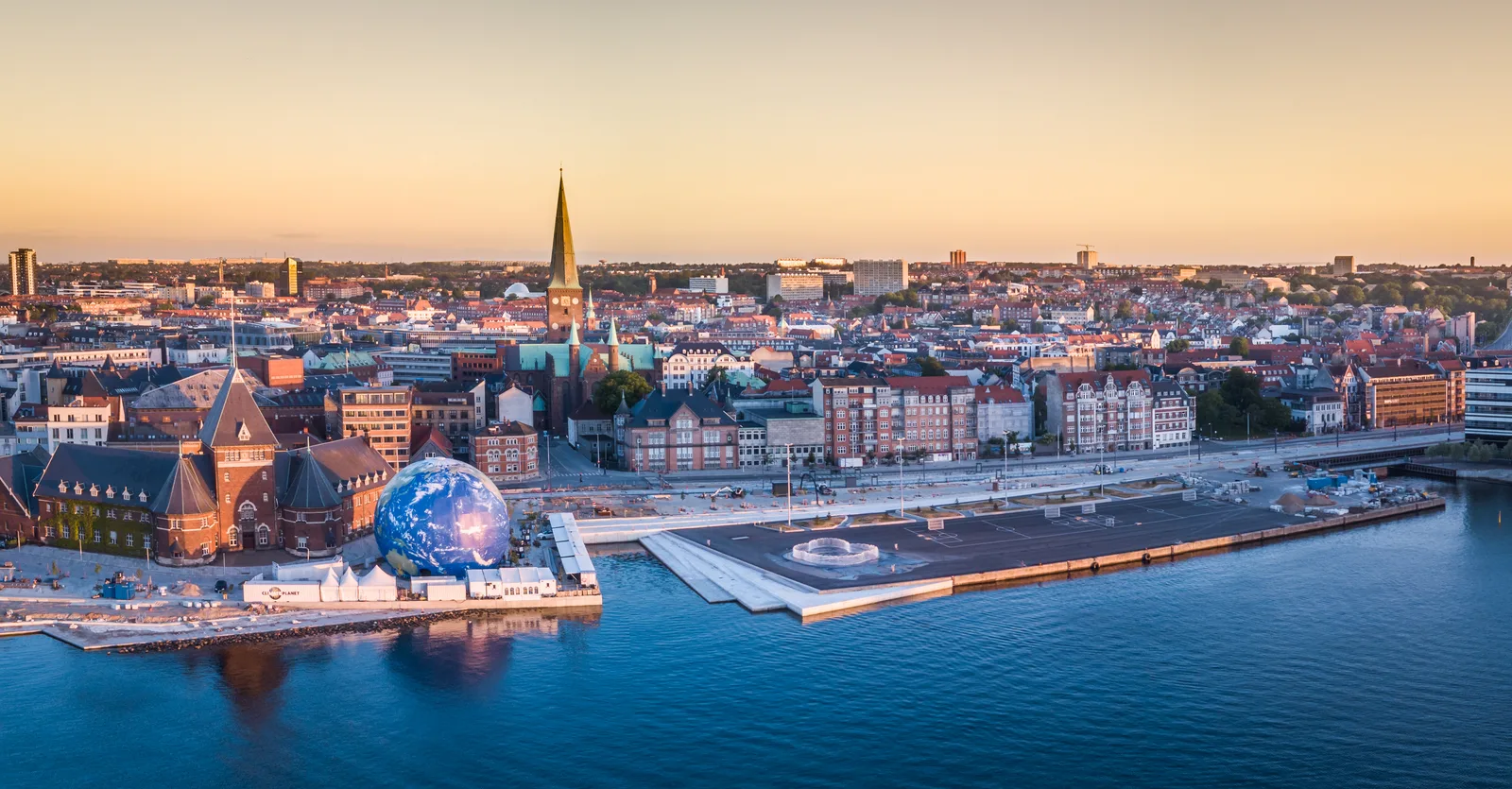
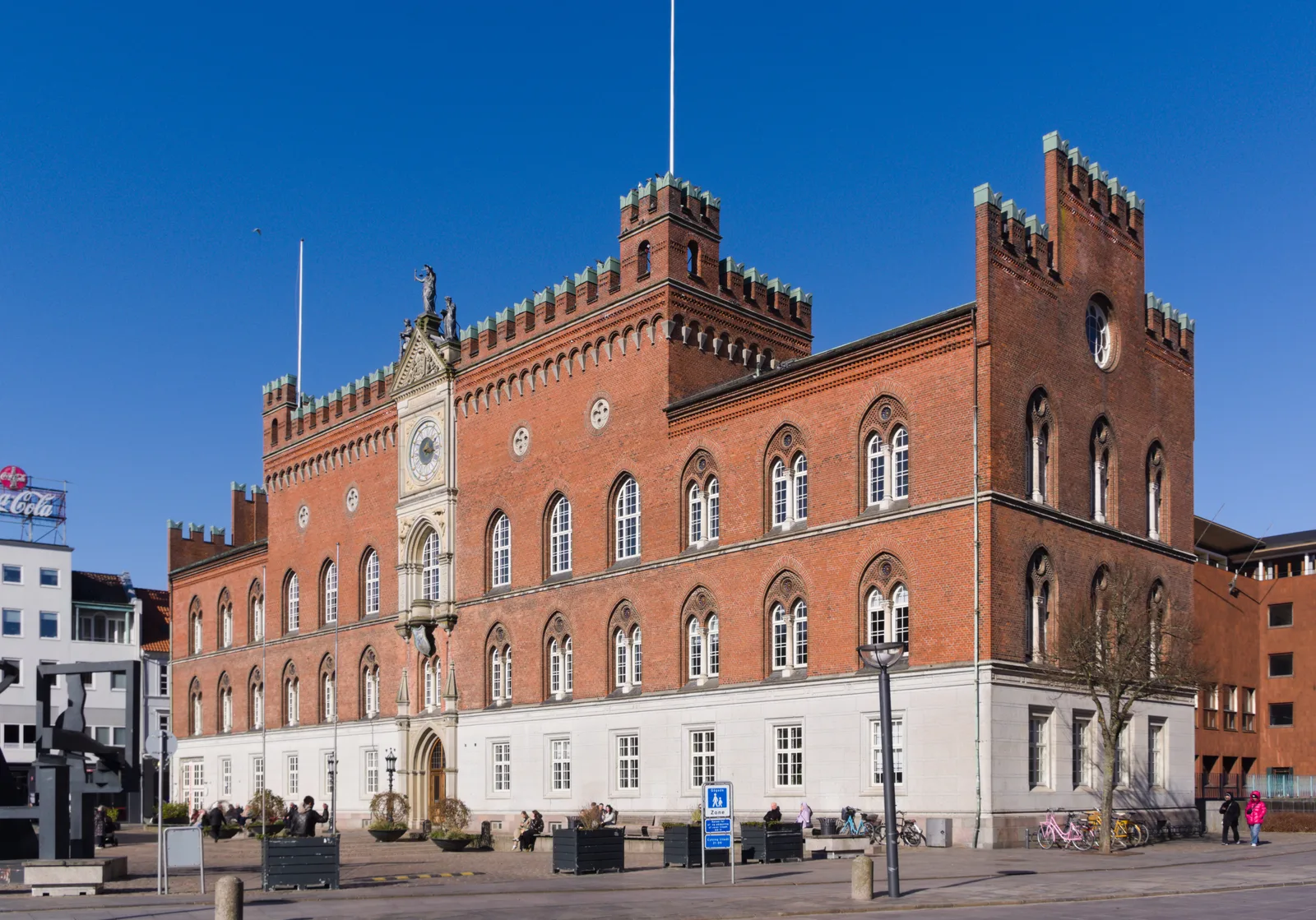
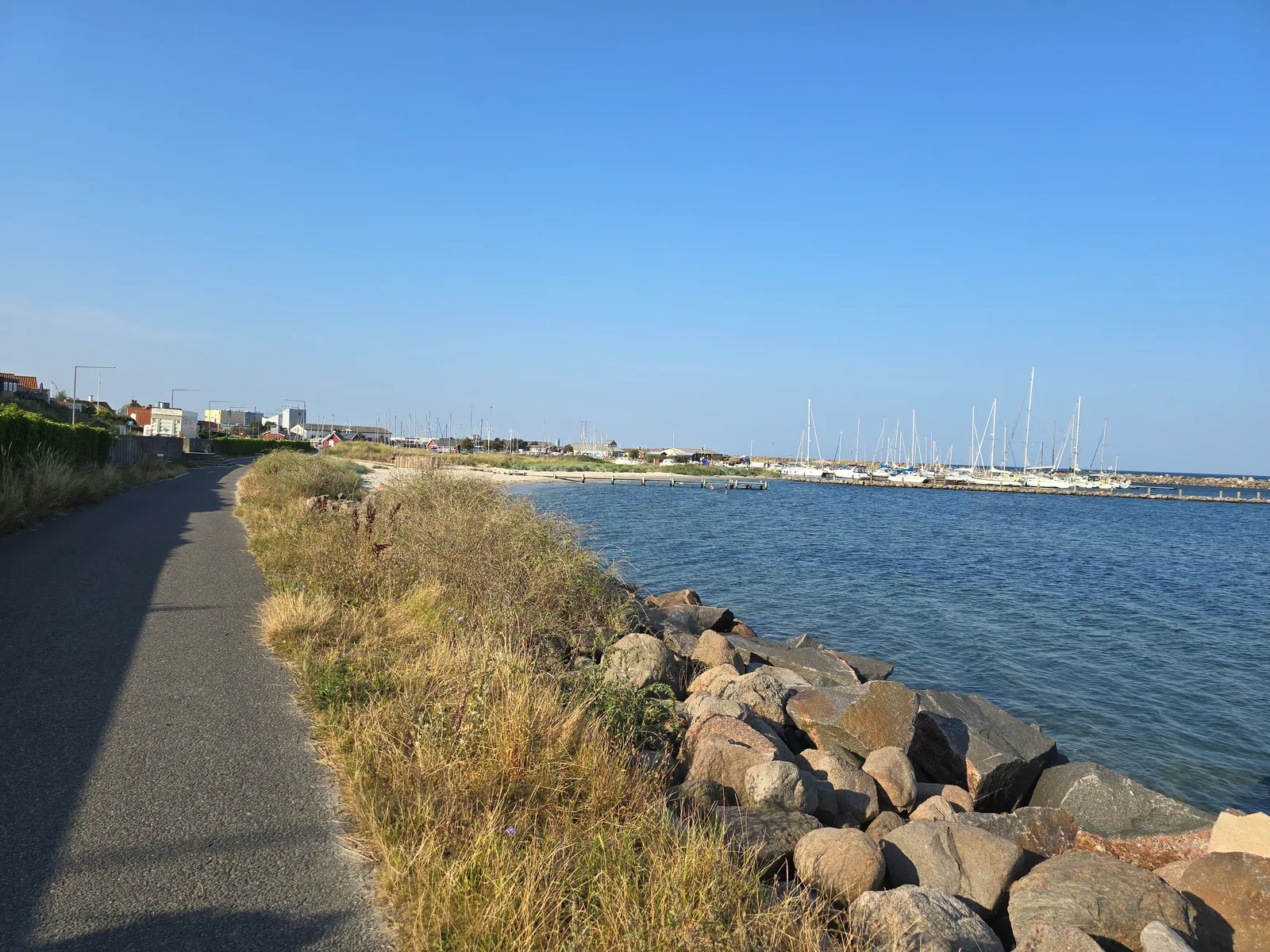
Aarhus suits travelers who want a smaller city without giving up culture and dining. Its compact center makes it easier to walk without a strict plan. Odense is a calmer choice for visitors who prefer a smaller-scale stay and want to combine city time with a slower pace. Coastal towns and summer-house areas offer another form of hygge, centered on sea air, simple meals, and a shared indoor space after time outside.



Food Is Part of the Atmosphere, Not a Checklist
A hygge meal does not need to be elaborate. A bakery pastry with coffee, open-faced sandwiches at lunch, soup on a wet afternoon, or a shared dinner can all fit the idea. The useful travel tip is to choose places where you can sit comfortably and stay awhile instead of treating food as fuel between attractions.
Do not force every Danish specialty into one day. Pick a few things that match the season and your appetite. In colder months, a warm drink and a simple indoor meal may be more memorable than a complicated dining plan. In summer, a picnic with local bread, fruit, and snacks can be equally hyggelig.
How to Travel Like a Guest, Not a Hygge Consumer
Hygge is personal and often happens in private homes or among established friends. Visitors should not expect every local gathering to be open to them, and they should not treat candlelight or a blanket as proof of an authentic cultural experience. The respectful approach is to enjoy public places, follow local rhythms, and let the atmosphere develop naturally.
Avoid making the trip about buying objects that look Danish. A candle, wool sweater, or design item can be useful, but hygge is more about attention and ease than purchases. The better souvenir may be a quiet afternoon that was not rushed, or a meal shared without phones on the table.
Useful Danish Tips for a Comfortable Trip
- Pack layers, a waterproof outer layer, and comfortable shoes. Wind and rain can arrive in any season.
- Use cards for everyday purchases, but check your bank’s foreign transaction policies before travel.
- Plan grocery shopping before evening or Sunday closures, especially outside the largest cities.
- Learn a few basic Danish greetings, but do not worry if your Danish is limited. English is widely used in visitor areas.
- Reserve popular restaurants and seasonal experiences ahead, then avoid overbooking the rest of the day.
- Respect the quiet tone of cafes, shared spaces, and residential streets. Hygge is comfortable, not loud.
A Quote to Keep the Trip in Perspective
“The goal of a hygge trip is not to find the perfect candlelit moment. It is to make enough room for ordinary moments to feel good.”
Common Mistakes That Make Hygge Travel Feel Forced
The most common mistake is packing Denmark into a rapid multi-city itinerary. Short travel distances can make several places look easy to combine, but constant check-ins, train changes, and restaurant reservations remove the calm that hygge travel is meant to create. Two or three well-chosen bases are usually enough for a first visit.
Another mistake is treating winter weather as a failure. A rainy afternoon can be an invitation to visit a museum, settle into a cafe, or take a long lunch. Build a flexible backup plan rather than expecting every day to be outdoors.
Conclusion
A hygge-focused Denmark trip is less about finding a hidden secret and more about changing the pace of travel. Choose a manageable itinerary, stay long enough in each place to relax, eat and walk without rushing, and accept that the most memorable parts may be simple. That is the practical Danish lesson behind hygge: comfort is created through time, attention, and good company, not through a packed schedule.
Frequently Asked Questions
What is hygge in Danish travel?
For travelers, hygge means planning for warmth, simplicity, comfort, and unhurried time. It can be a cafe visit, a shared meal, a walk, or a quiet evening rather than a specific attraction.
Is Areatsunami a Danish hygge term?
No. Areatsunami is not a recognized Danish word or an established hygge concept. Use reliable Denmark travel and culture resources when researching Danish customs.
Is winter the best time for a hygge trip to Denmark?
Winter is ideal for candlelight, Christmas markets, and indoor coziness, but it has short days and cold weather. Summer offers an outdoor version of hygge through picnics, cycling, and waterfront time.
Which Danish city is best for a first hygge trip?
Copenhagen is the easiest choice because it has the widest mix of culture, cafes, neighborhoods, and transport. Aarhus is a strong option for travelers who prefer a smaller and slower city.
Do I need to speak Danish to travel in Denmark?
No. English is widely used in cities and visitor areas. Learning a few Danish greetings is polite, but travelers can manage daily tasks in English.
Can hygge travel be affordable?
It can be more affordable when you choose fewer paid attractions, use public transport, visit bakeries and markets, and spend time in parks, harbors, and free public spaces. Denmark can be expensive, so book accommodation and key meals thoughtfully.

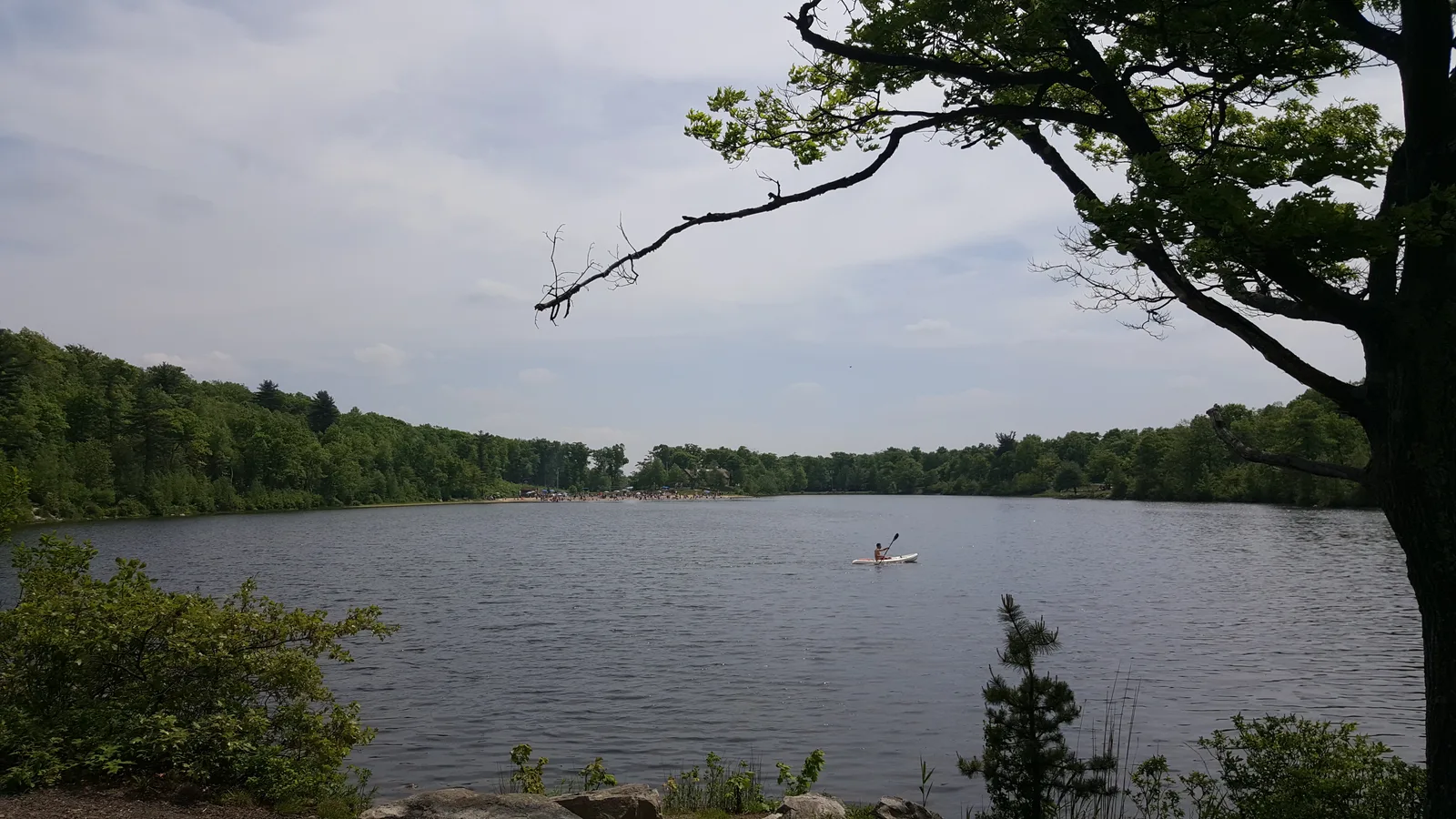
State Park Pass Library New Jersey: What You Can Actually Use
Find out whether New Jersey libraries lend state park passes, what the annual pass covers, and how to plan a lower-cost visit to state parks and forests.
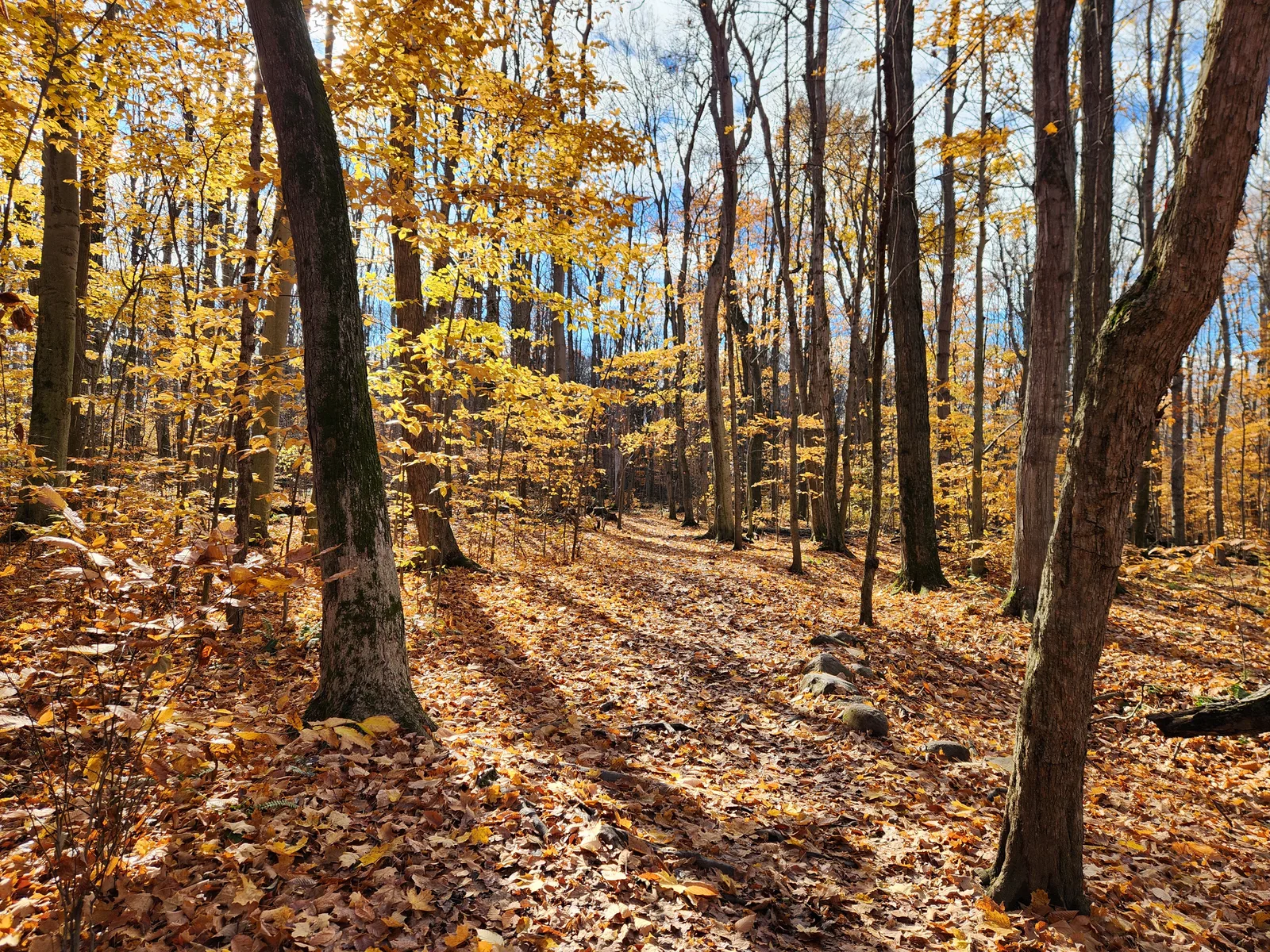
State Park Pass Library New York: How to Borrow an Empire Pass
Learn how New York library Empire Pass loans work, what day-use access covers, how to check local rules, and when buying a pass may be better.
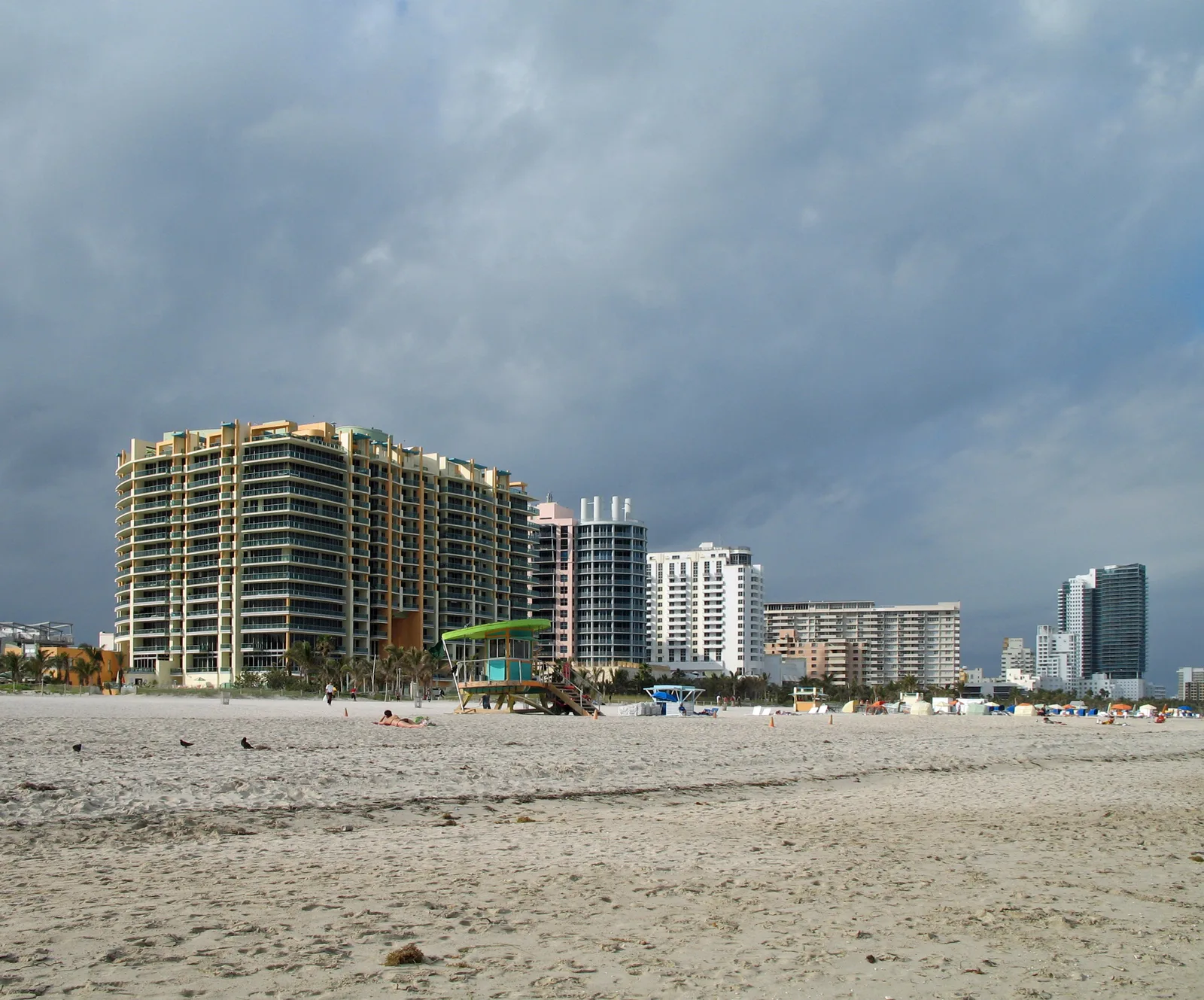
Is Orlando or Miami More Expensive for Tourism? A Practical Cost Comparison
Compare Orlando and Miami travel costs for hotels, attractions, food, transport, and nightlife to choose the better Florida vacation for your budget.