
Santorini and Mykonos Tourism Is Down: What the Slump Means for Your Greek Island Trip
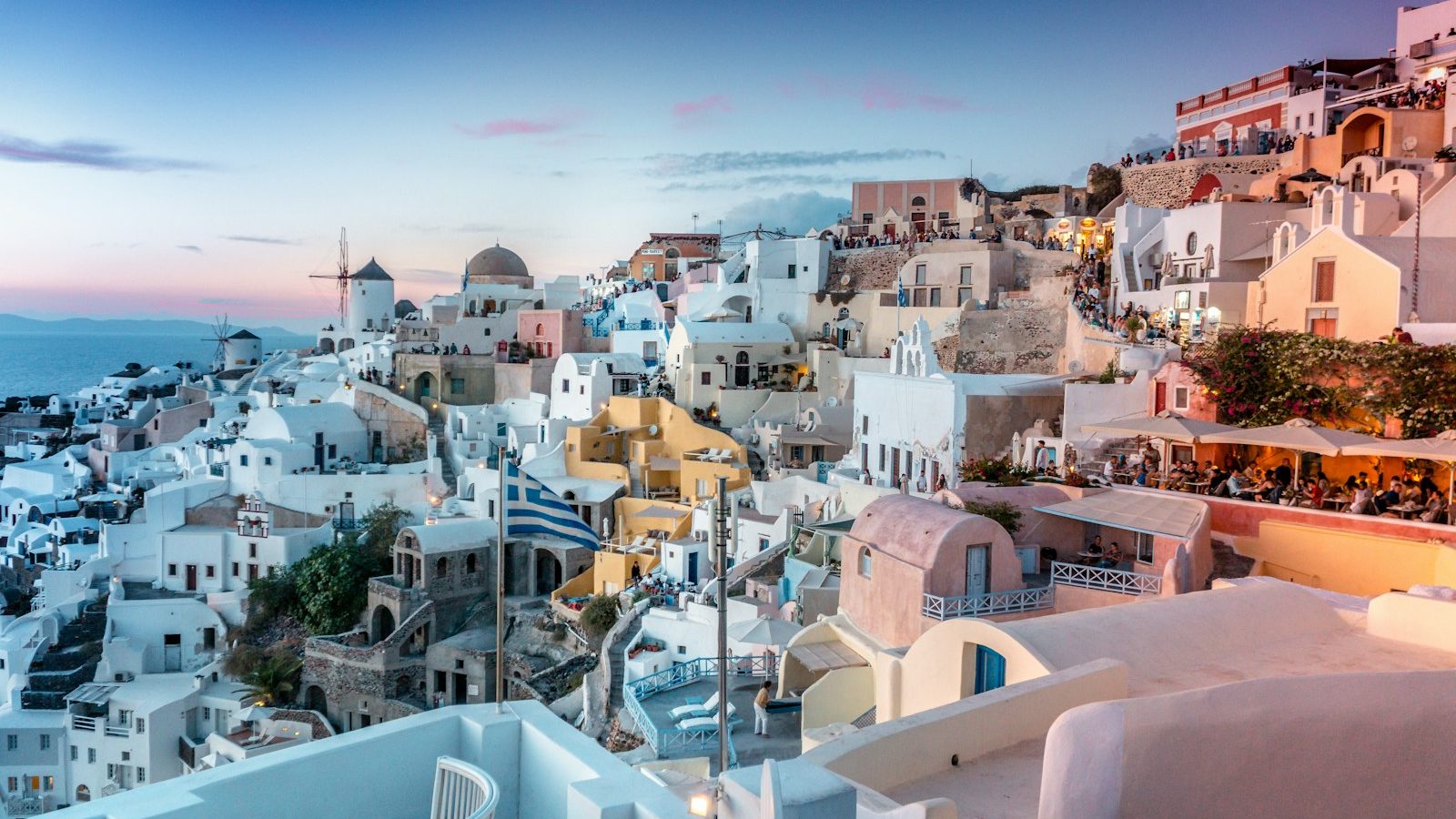

In 2025, while Greece’s regional airports and national tourism receipts hit records, Santorini and Mykonos were the notable exceptions. Both islands lost visitors, and the pattern carried into 2026. Santorini was shaken by a long earthquake swarm and now has a smaller cruise calendar. Mykonos has had several soft summers in a row, and the cause there is mostly price rather than anything physical.
For a traveler, the useful reading is this: both islands are open and functioning, some weeks are less crowded than in their peak years, and rooms are more negotiable than they have been in a long time. The savings are uneven, though, and some old frustrations, especially restaurant and beach club bills, have not gone away. This guide explains what actually changed, why it happened, and how to turn the situation into a better trip.
The Drop in Numbers
The figures below come from data available through late summer 2026. Season totals for both islands are still being finalized, so treat them as direction rather than a final tally.
| Measure | Santorini | Mykonos |
|---|---|---|
| International air arrivals, early 2025 | Down about 19% | Down about 8% from January to April |
| Cruise schedule, 2026 | About 595 calls scheduled, against 728 in 2025 (roughly 18% fewer), with passenger numbers down about 15% | About 763 ships and 1.22 million passengers expected, close to the previous year |
| Air arrivals, 2026 | Final season picture still pending | Down about 21.7% from January to April, then up about 7.4% in July to nearly 161,000 |
| Pricing signal | Less clearly documented | Late-season discounts of up to 50% reported on some accommodation |
The National Picture Behind the Islands
It helps to know that Greece itself is not in a slump. Between January and July 2026, non-resident arrivals across the country rose about 8.6%, and travel receipts climbed roughly 12% to around 13.5 billion euros. In July, the peak month, arrivals dipped about 3.1% while receipts still rose about 7.2%. In plain terms, slightly fewer people came and each spent more.
American visitors tell a similar story: arrivals from the United States fell about 5.4% in the first half of 2026, yet spending from that market rose close to 11%. The lesson is that Greece is not losing its appeal. Santorini and Mykonos are losing share to other destinations, and travelers are comparing value more carefully than before.
Why Visitors Pulled Back
Santorini’s Earthquake Swarm
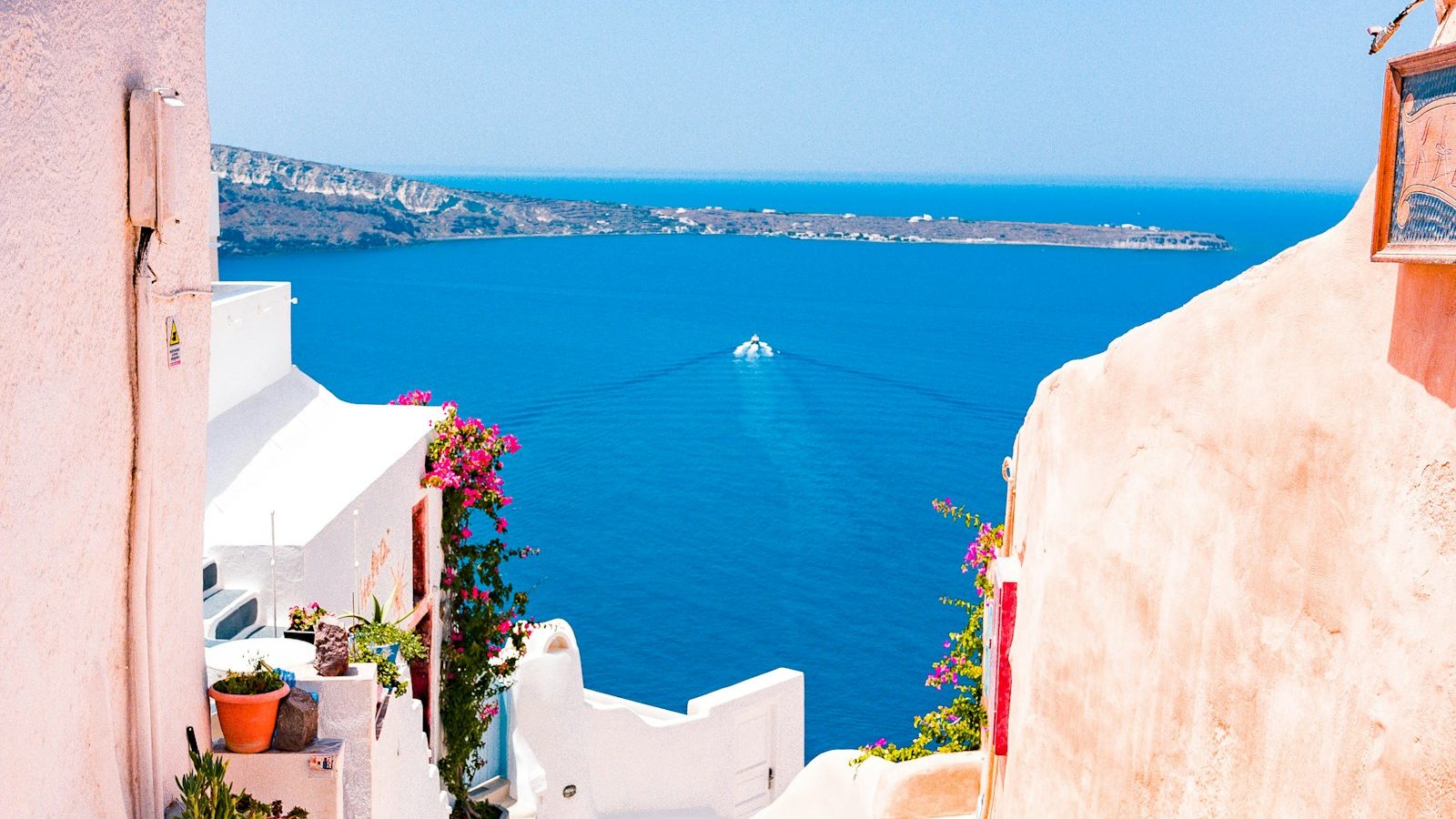
A sustained series of earthquakes began around 26 January 2025, with tens of thousands of tremors recorded in the sea area between Santorini and Amorgos, and some reaching around magnitude 5. There was no major damage, but many residents left temporarily and several cruise ships rerouted. Hoteliers reported air arrivals down 34% in April 2025, and international arrivals stayed weak through the summer. Activity settled in the following months, but the perception problem lingered longer than the tremors.
Price Fatigue on Mykonos
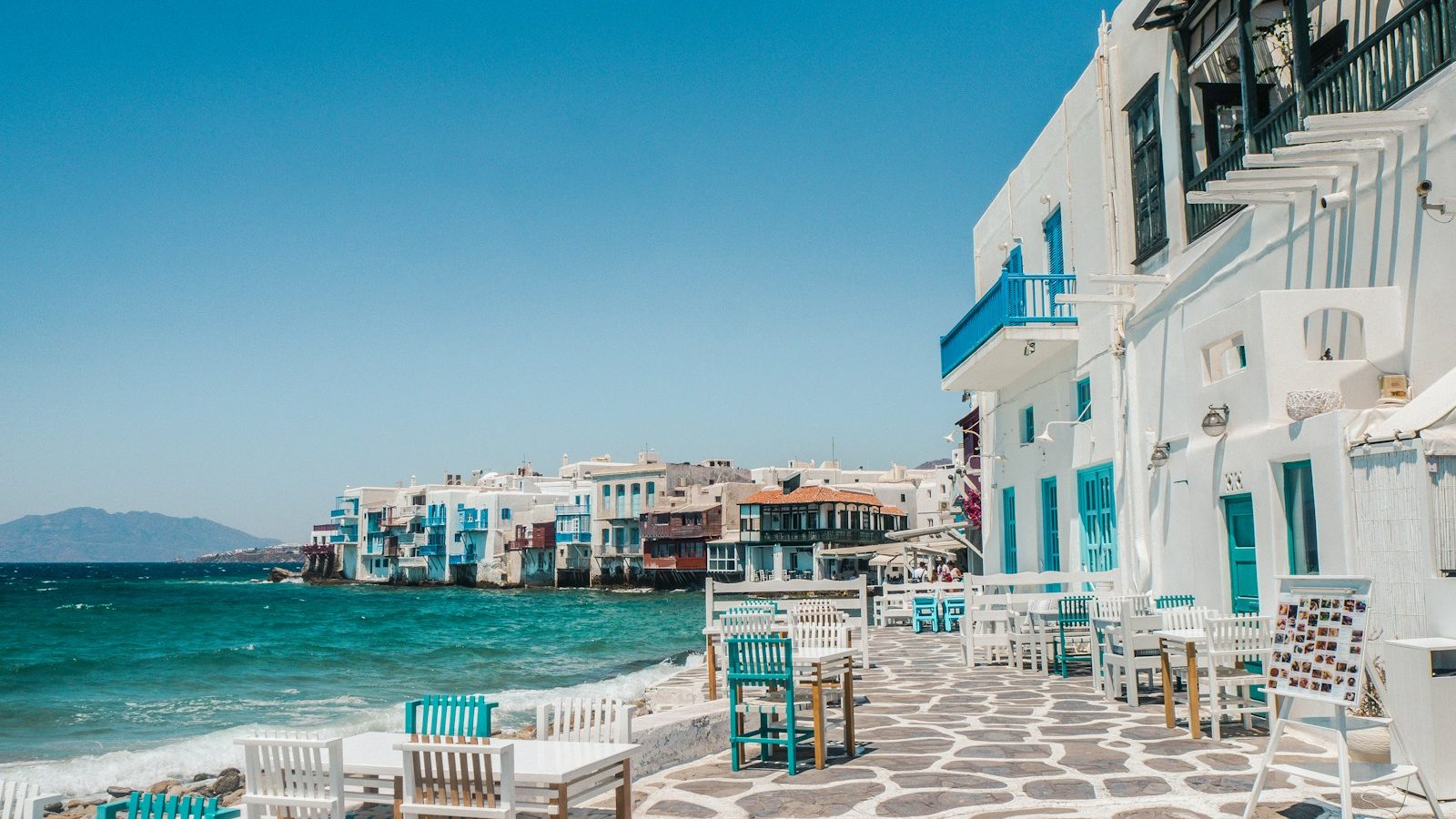
Mykonos had no seismic crisis to blame. Nearby islands faced the same weather and the same geopolitical headlines, so the explanation points to cost. Stories of very expensive cocktails and fish dinners had circulated for years, and by 2026 they had become a reason some travelers chose not to return. Dining felt the pressure first, and the early-2026 air arrivals drop was steep. A strong late rebound followed, but it leaned heavily on last-minute bookings and discounts.
Competition From Other Islands
Paros and Naxos gained much of what Mykonos lost in early 2026, attracting younger and more flexible visitors who value atmosphere over status. Crete also posted double-digit arrival growth in the first four months, although average spending per traveler there was reported lower. Cruise operators have also started to rotate itineraries: one major line cut Santorini calls and sharply increased visits to Syros.
Cruise Fees and Regional Instability
A 20 euro per-passenger levy introduced for cruise calls reshaped the 2026 schedule. One large cruise line initially withdrew from Santorini, which accounts for most of the island’s lost cruise passengers, and then returned with a smaller request for 17 calls. Additional calls were cancelled because of conflict in the Middle East. Mykonos port officials have pointed out that Crete’s port charges are much lower, which gives cruise lines a financial reason to skip Mykonos. Planners expect a recovery in cruise traffic toward 2027, since itineraries are set roughly two years ahead.
Fewer Long-Haul Visitors
Operators on Mykonos reported weaker demand from the United States, Canada and Australia, while French demand grew at a double-digit rate. The top end behaved differently: the new Four Seasons, which opened in 2026, described a strong first season with a short booking window, and Fouquet’s opened its first Greek hotel in late June.
What the Slump Feels Like on the Ground
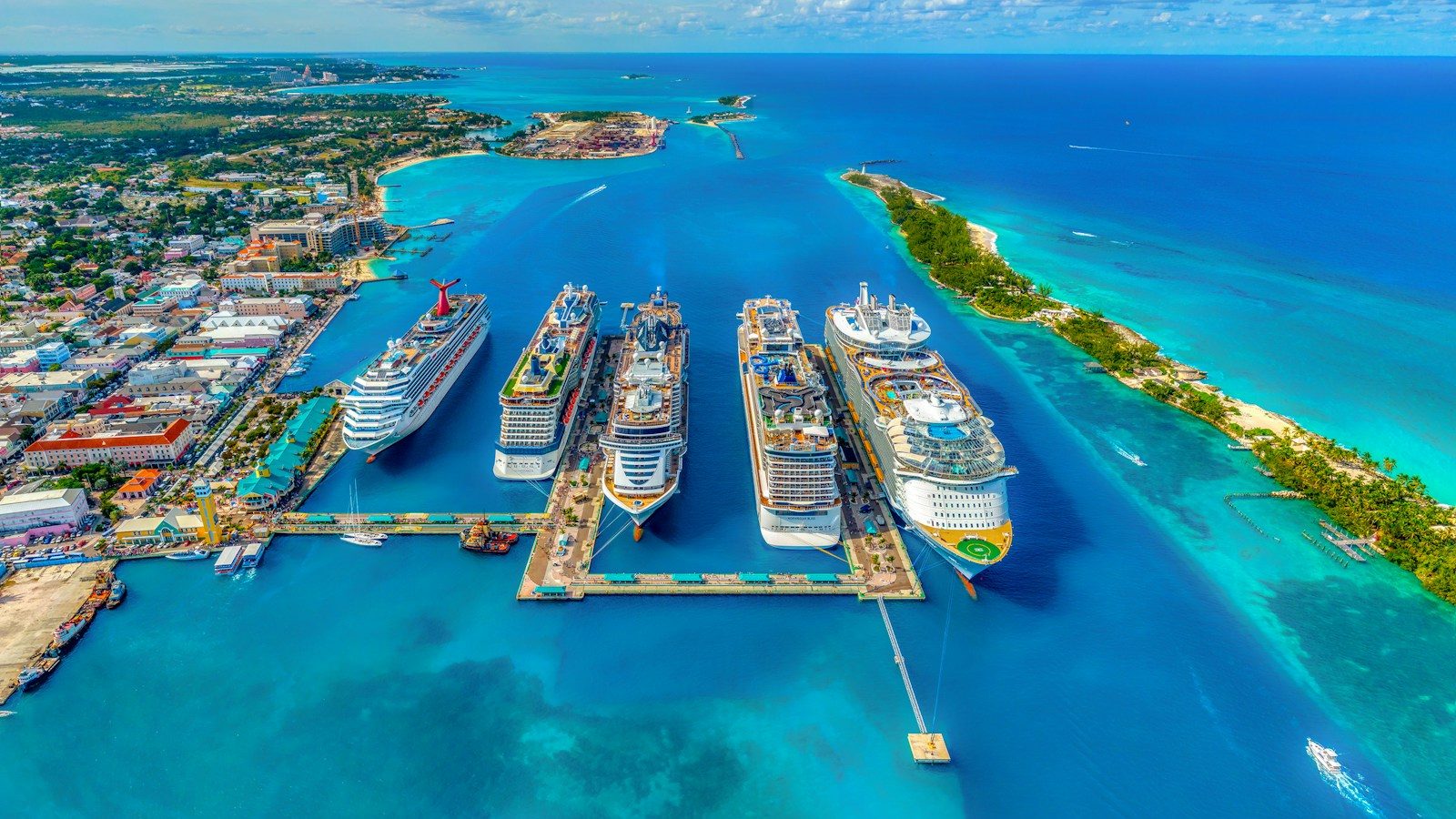
A visitor drop does not mean empty streets. Cruise day-trippers matter enormously here. On a single day in mid-August 2026, more than 15,000 cruise visitors came ashore in Mykonos, spending around 100 euros each on average. That produces packed lanes in Mykonos Town around the middle of the day, while overnight guests, who spend differently, see a calmer island in the evening and early morning.
Santorini follows a similar rhythm. With fewer scheduled cruise calls in 2026, the caldera villages of Fira and Oia are likely to feel somewhat less crushed on some days, but the number of ships in port on any given day still decides how busy the cliff-top paths feel. If the pressure of crowds is your main worry, the day’s cruise arrivals matter more than the monthly visitor statistics.
Authorities have also become more visible. Tax inspections on Mykonos led to temporary closures of some businesses for failing to issue receipts, and building and beach encroachment cases drew arrests and sealed offices in 2026. For visitors this mostly means a bit more scrutiny of billing practices, which is a welcome change.
Is It Cheaper Now?
Sometimes, and mostly on Mykonos accommodation. By the end of the 2026 season, reports showed discounts of up to 50% on a number of villas and apartments, with examples of private villa rates falling by roughly a fifth. Many properties relied on last-minute bookings to fill rooms.
Two cautions apply. First, not every operator discounted. Luxury hotels with strong returning clienteles generally held their rates, so the headline savings are concentrated in mid-market and rental properties that depended on reputation alone. Second, accommodation is not the whole bill. Restaurants, beach clubs and transfers remain expensive on both islands, and a discounted room can still sit next to a very high-priced dinner. Check menus and drink prices before ordering, and ask whether a service charge or minimum spend applies.
Is Santorini Safe to Visit After the Earthquakes?
The intense swarm of early 2025 subsided in the months that followed, and scientists studying the activity linked it to magma movement without evidence of an imminent eruption at that time. Local officials have consistently described the island as safe, and visitors have been present in large numbers since then.
Earthquake risk is not zero in the Aegean, so sensible preparation applies. Check current guidance from Greek authorities and the national seismological monitoring service before you travel, choose accommodation with flexible cancellation, and buy travel insurance that covers disruption. Know where your hotel’s emergency instructions are posted and keep them in mind, as you would anywhere in a seismic region.
Santorini or Mykonos: Which One Fits You Now?
| Traveler type | Better fit | Reasoning |
|---|---|---|
| Caldera views and sunsets | Santorini | The scenery is the draw, and fewer scheduled cruise calls in 2026 may ease some days. Outside peak weeks, the cliff-top villages are easier to enjoy. |
| Hiking and walking | Santorini | Established routes such as Fira to Oia and Perissa to Ancient Thira give the island a strong active-travel case that does not depend on nightlife. |
| Nightlife and beach clubs | Mykonos | The scene is the point, and the fall in demand has made late bookings more flexible. |
| Bargain hunters | Mykonos, booked late and off-peak | Discounts are better documented there. Avoid expecting a bargain on food and drinks. |
| High-end hotels | Mykonos | New openings in 2026 added fresh options, and the top tier held its rates well. |
| Quieter Cyclades alternative | Paros or Naxos | Both are absorbing demand and offer a more relaxed pace and a wider mix of travelers. |
Combining both islands is possible, because ferry links exist between them, but it works best with several nights on each. The two islands offer very different experiences, so a rushed double stop mostly turns into transfers. If you have only a few days, choose one and give it room.
When to Go for the Best Balance
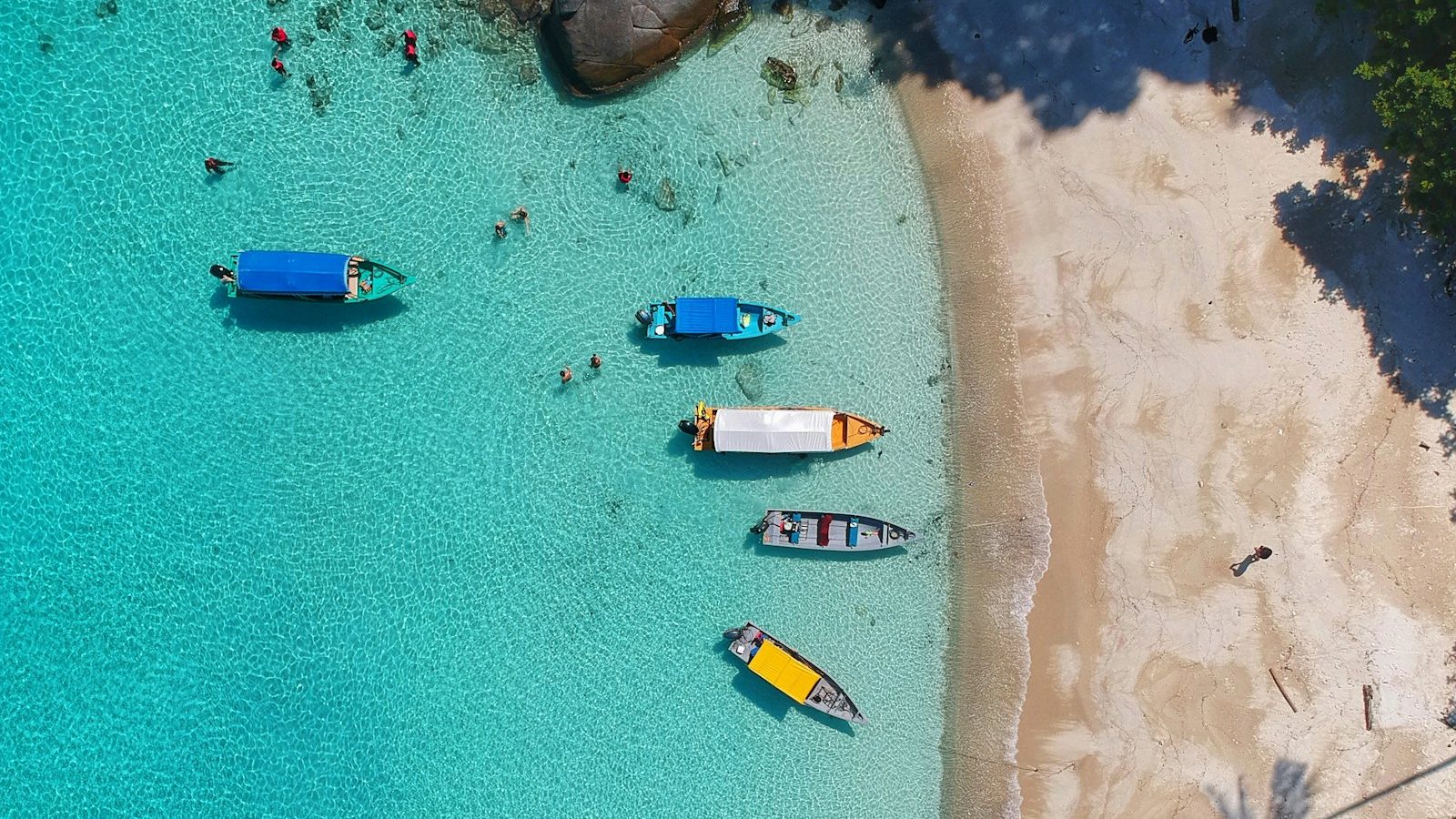
The slump is most useful to travelers who are flexible about timing. Late spring and early autumn typically give a calmer island and softer prices than July and August, although some seasonal businesses reduce hours or close as the season winds down, especially after mid-autumn. On either island, plan your busiest sightseeing for early morning or evening, and check which days have the heaviest cruise arrivals through the port schedules rather than assuming the whole month is equally crowded.
If you book far ahead, choose refundable rates. The recent trend favors travelers who can wait, but the best properties still sell out for peak weeks, so waiting works better for flexible dates than for a specific festival or weekend.
Common Planning Mistakes
Assuming Every Discount Is Real
Compare the final price, including taxes, fees and cancellation terms, against similar properties on nearby islands. A reduced rate on a property that was overpriced to begin with is not automatically good value.
Booking Everything at the Last Minute
Late deals exist, but they are concentrated in certain property types. If you need a particular area, a view, or a specific week, secure the essentials with flexible terms and leave flights or extras open.
Ignoring Cruise Schedules
Visiting Oia, Fira or Mykonos Town when several ships are in port can undo the benefit of a quiet month. A little checking before choosing your sightseeing days saves a great deal of time in lines.
Not Checking Prices Before Ordering
Reports of unposted prices and very high cocktail charges on Mykonos are a reminder to ask before you order. Choose places that display menus and prices clearly, and review the bill before paying.
Packing Too Much Into a Short Trip
Treating the two islands as a single stop wastes time on ferries and transfers. Fewer bases and longer stays make a more relaxed trip, and both islands reward lingering over rushing.
What Comes Next
The long view is mixed. Cruise planners expect Santorini to recover from 2027, Mykonos continues to attract new luxury investment, and officials on both islands are talking about restoring momentum through better coordination. At the same time, the season showed that a famous name no longer fills rooms and tables on its own. Visitors compare, and when prices drift out of line they move to a different island or country. For travelers, that competition is good news: it pushes both islands toward better value.
Frequently Asked Questions
Are Santorini and Mykonos still worth visiting?
Yes. The decline reflects shifting demand and price sensitivity, not a loss of what makes the islands attractive. The caldera landscapes of Santorini and the beaches, town and nightlife of Mykonos remain intact, and the drop in visitors can make planning easier.
Are hotel prices lower in Mykonos and Santorini now?
On Mykonos, late-season discounts of up to 50% were reported on some villas and apartments, while luxury hotels generally held their rates. Santorini pricing is less clearly documented. Compare total prices across dates rather than relying on headline percentages.
Is it safe to visit Santorini after the earthquake series?
The intense swarm that began in January 2025 eased in the months that followed, and local officials describe the island as safe. As with any seismically active area, check current official guidance before travel, choose flexible bookings and carry travel insurance.
Can I visit both islands on the same trip?
Yes, ferry connections link them, but the experiences differ sharply and the trip works best with several nights on each. For a short break, picking one island usually gives a better result than splitting the time.
How can I avoid cruise crowds on Santorini and Mykonos?
Check port schedules for days with fewer ships, visit the busiest villages early in the morning or after the day-trippers leave, and consider staying overnight rather than visiting only for the day. Overnight guests see a very different island in the evening.
The Bottom Line
The tourism drop on Santorini and Mykonos is real, but it is a rebalancing rather than a collapse. Greece as a whole is thriving, and these two islands are being asked to prove their value against cheaper and quieter neighbors. For travelers with flexible dates, a clear idea of what they want from each island, and an eye on prices and cruise days, this is a more favorable moment to visit than the peak years of overcrowding. Official destination resources from the Greek National Tourism Organisation can also help you plan regional itineraries.


Canada and Mexico Dominate U.S. Tourism: Why Nearby Travelers Matter Most
See why Canada and Mexico are the United States' two leading international tourism markets and what their visitors mean for U.S. destinations.
How Many Airports Are in Mexico City? The Traveler’s Guide to AICM, AIFA, and Toluca
Learn how many airports serve Mexico City and compare AICM, AIFA, and Toluca to choose the right airport for your trip.
Where to Hike and Surf in the United States: The Best Adventure Destinations and How to Combine Them
Plan a USA hiking and surfing trip with practical destination, season, permit, safety, and itinerary advice for Hawaii, California, the Pacific Northwest, and beyond.