
Things to Do in Dallas: Where to Go, What to Book, and How to Group It

Dallas rewards visitors who plan by neighborhood rather than by checklist. The city sprawls, and its best-known attractions fall into a few distinct clusters: a downtown core with the Kennedy assassination sites, a skyline tower and a rainforest aquarium; an Arts District of major museums beside an elevated park; a lakeside East Dallas of gardens and live music; and a wider ring of draws, including a stadium, a historic fairground and Fort Worth, that call for a car or a long transit ride.
This guide covers roughly forty things worth your time, grouped by those clusters so you can stack stops without crossing the metro twice in a day. It flags what needs reservations, what costs nothing, who each place suits, and what to skip when time is short. Where timing matters, as with the State Fair or the Arboretum’s fall festival, current dates are included. Hours, ticket rules and exhibitions change, so confirm details with each venue before you go.
How Dallas Is Laid Out
Dallas is not a single walkable center. Downtown, the Arts District and Uptown sit close together and work well on foot or with short rail hops, but East Dallas, Oak Cliff, Fair Park and the suburbs-and-lakes ring are separate trips. The table below shows how the main areas compare.
| Area | Best for | Getting around |
|---|---|---|
| Downtown and the West End | History, skyline views, the aquarium, a first-day introduction | The most walkable cluster; DART rail serves the Sixth Floor Museum area |
| Arts District, Uptown, Victory Park | Museums, park time, evening strolls | Museums sit close to each other; the Perot Museum is a little apart; DART serves the Dallas Museum of Art |
| East Dallas and Deep Ellum | Live music, murals, the Arboretum, White Rock Lake | Deep Ellum is reachable by rail; the Arboretum and lake are easiest by car or rideshare |
| Fair Park and South Dallas | Art Deco architecture, the State Fair, the Cotton Bowl | DART Green Line stops at Fair Park Station |
| Oak Cliff and southern Dallas | The zoo, independent shops, nature areas | Plan on a car or rideshare |
| Beyond the city | AT&T Stadium, Fort Worth, Grapevine, lake beaches | A car is the realistic option |
If Time Is Short
With one day, pair the Sixth Floor Museum at Dealey Plaza with the Dallas Museum of Art and finish at Klyde Warren Park. With two, add a morning at the Dallas Arboretum and an evening in Deep Ellum. With three or more, one day can go outside the city entirely, most naturally to Fort Worth. The sections below follow that same logic.
Downtown and the West End
Dealey Plaza and The Sixth Floor Museum
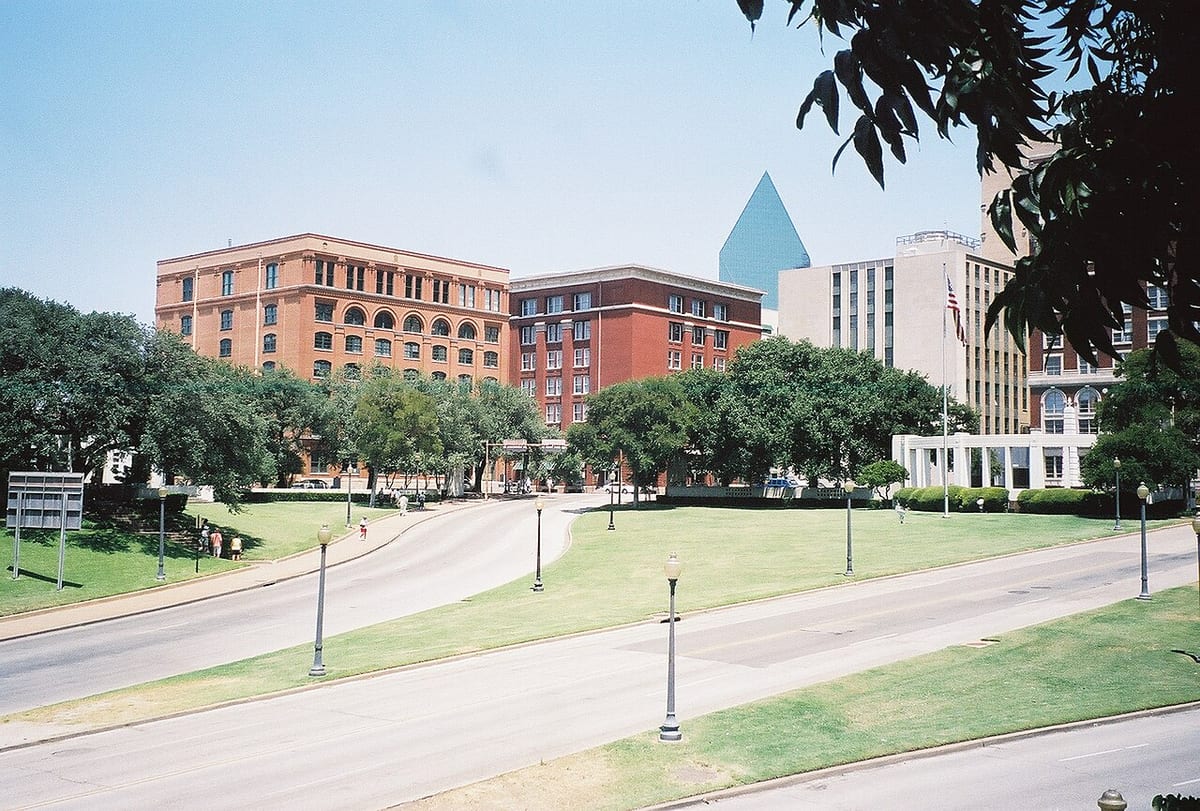

Few Dallas stops carry the historical weight of this one. The museum occupies the sixth and seventh floors of the former Texas School Book Depository, overlooking the plaza where President Kennedy was shot in 1963, and it traces the events through film, photographs and artifacts. The reconstructed corner window, looking down on Elm Street, is the point most visitors remember.
Tickets are timed and the museum asks that they be bought in advance, so do not treat this as a walk-in stop. It has recently operated Wednesday through Sunday, so check the current schedule before building a day around it. Plan on roughly two hours, and consider the audio guide, which adds depth. Afterward, the plaza itself is free to walk and is a National Historic Landmark. The X marks on Elm Street are a place for quiet behavior rather than staged photos. One practical note: the guides and vendors who work the plaza are not affiliated with the museum.
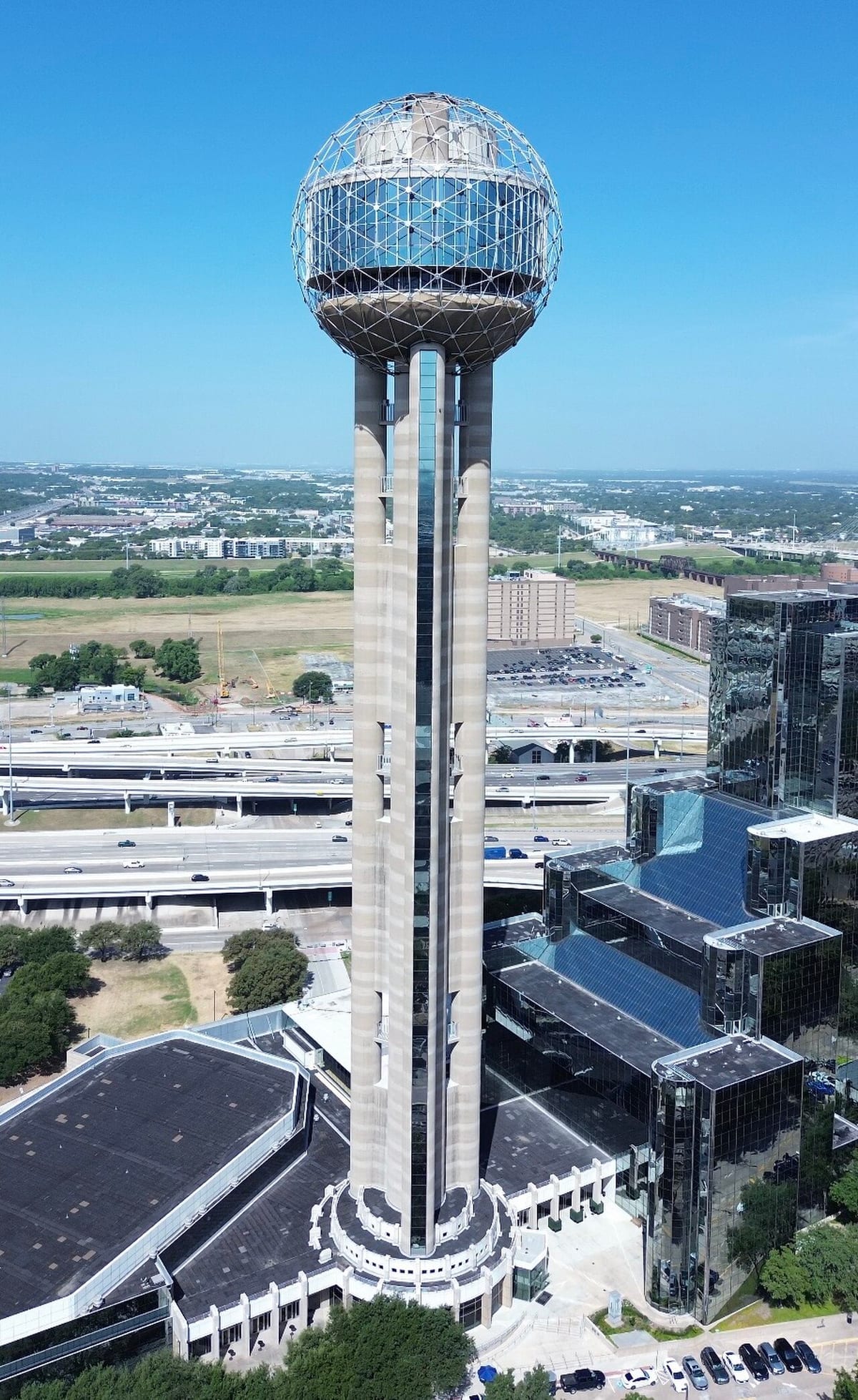
Reunion Tower GeO-Deck

The ball-topped tower rises from the Hyatt Regency complex, and its GeO-Deck sits about 470 feet up. It is the quickest way to understand how Dallas is arranged, since the downtown towers, highways and the flat sprawl beyond them are all visible at once. Sunset visits tend to give the best light, and they also put you here when crowds can be thickest. For a short trip, it is a good first-day orientation stop rather than a half-day commitment.
Dallas World Aquarium
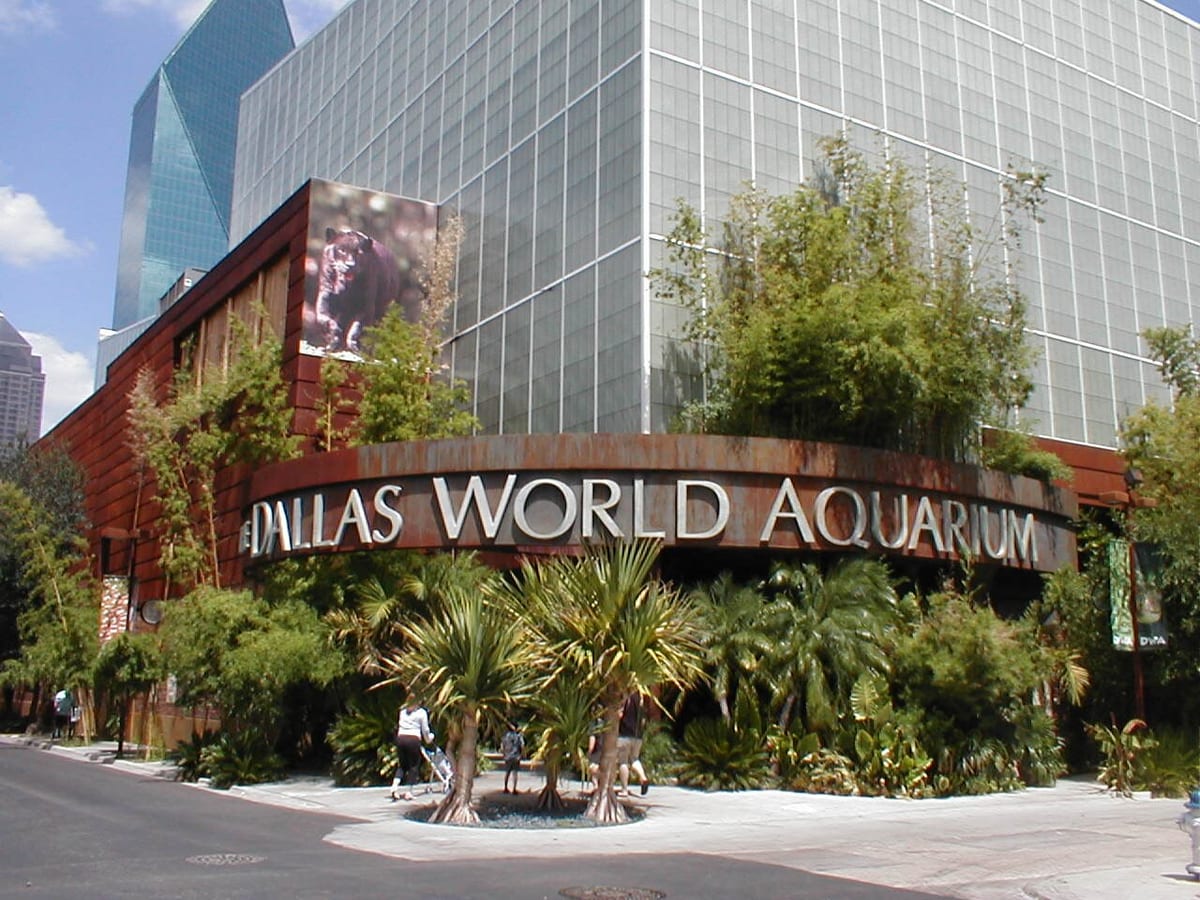

This is less a conventional aquarium than a multi-level, rainforest-style exhibit that mixes fish with birds, mammals and plants. It sits in the West End, within walking distance of Dealey Plaza, which makes it an easy pairing with the Sixth Floor Museum for families. Allow two to three hours. It suits children and anyone who prefers an immersive habitat to rows of tanks, and it is a reasonable indoor choice when the Texas heat is at its worst.
Dallas Holocaust and Human Rights Museum
Located at 300 N. Houston Street, close to Dealey Plaza, this museum combines survivor testimony, historical exhibits and a broader focus on human rights. It is a serious visit and works best when it is not squeezed between lighter stops. Many travelers pair it with the Sixth Floor Museum for a history-focused day, but two emotionally heavy museums back to back can be draining, so consider separating them with a meal or a walk.
Pioneer Plaza and The Eye
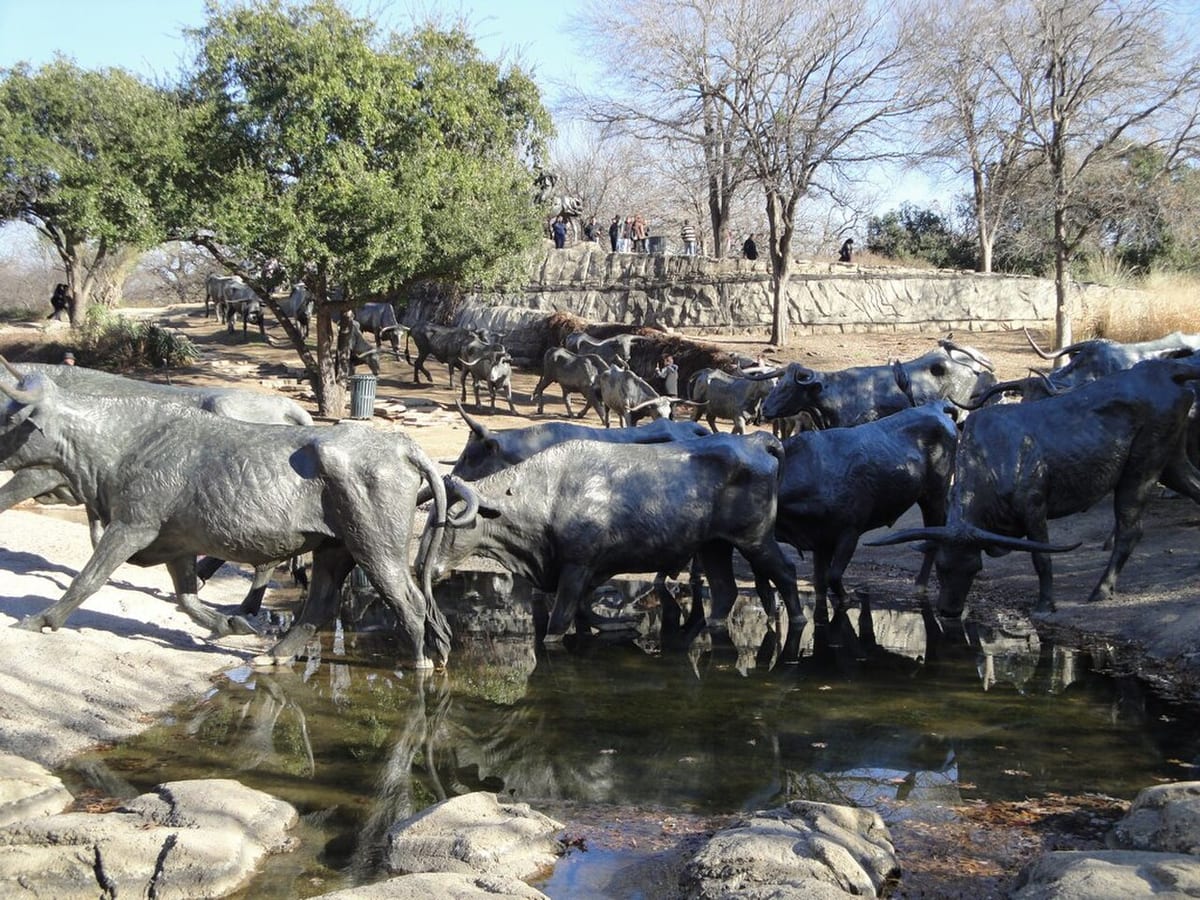

Pioneer Plaza is a large bronze cattle-drive sculpture near the convention center area, a quick way to see the city’s Western identity in a few minutes. The Eye, the giant eyeball sculpture downtown, is another short photo stop. Neither deserves more than a brief detour, but both are free and easy to fit between larger attractions.
Old Red Museum
The Romanesque-style red building was once the Dallas County courthouse, built in 1892, and it is among the older landmarks in the downtown core. It is worth a look for the architecture alone and for anyone interested in local history. Confirm its current operating status before making it a destination, and treat it as a complement to Dealey Plaza rather than a standalone priority.
Dallas Farmers Market
The market combines produce vendors with a separate indoor food hall, which makes it a flexible lunch or breakfast stop rather than a scheduled attraction. It is a useful option for travelers who want local food without a sit-down restaurant, and it fits naturally into a downtown morning. Vendor schedules vary by day, so check before going.
Thanks-Giving Square
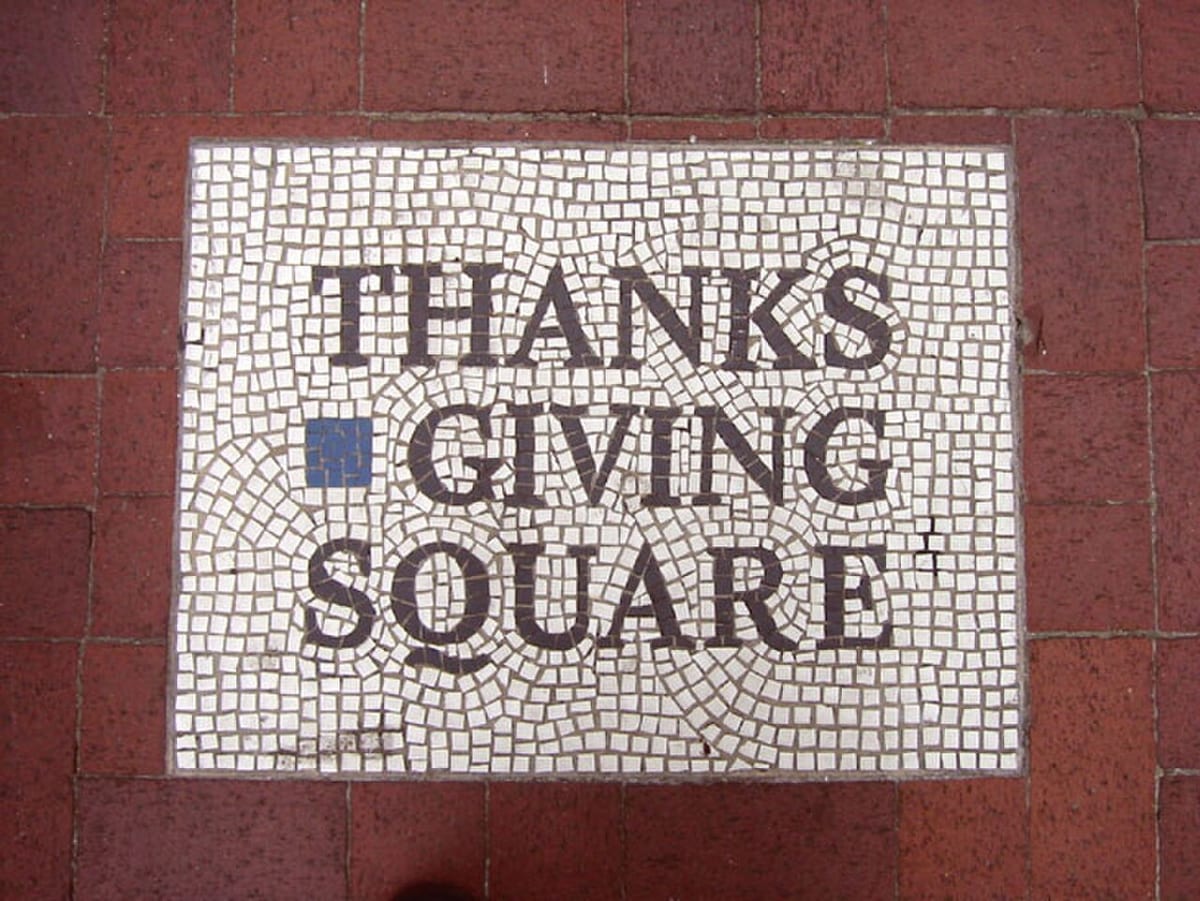

This small downtown garden and chapel offers a quiet pause in a busy part of the city. It takes little time and is best as a short break between larger stops rather than a reason to travel.
Dallas Heritage Village
Just south of downtown, the open-air museum gathers 19th-century buildings that show how North Texas looked before the skyline. It is a good fit for families and history-minded visitors who want something more tactile than a gallery. It is a separate stop from the downtown core, so plan it as part of a half-day rather than a walk-in extra.
The Arts District, Uptown and Victory Park
This is the densest museum area in the city. The district is the largest arts district in the country, so it is easy to overbook. One main museum plus the park is a comfortable day; trying to do three museums and the Perot Museum in the same day usually leaves everyone tired.
Dallas Museum of Art
The Dallas Museum of Art holds one of the larger collections in the country, spanning ancient to contemporary work and organized across galleries for the Americas, Africa, Asia, Europe, the Pacific Islands, decorative arts and Texas art. General admission has been free since 2013, and free tickets are recommended, so reserve one in advance. Special exhibitions are ticketed separately, but a program running through the end of 2026 makes them free on the first Sunday of each month. The museum is typically closed at the start of the week, so confirm days before you plan around it. DART rail stops near the museum.
Nasher Sculpture Center
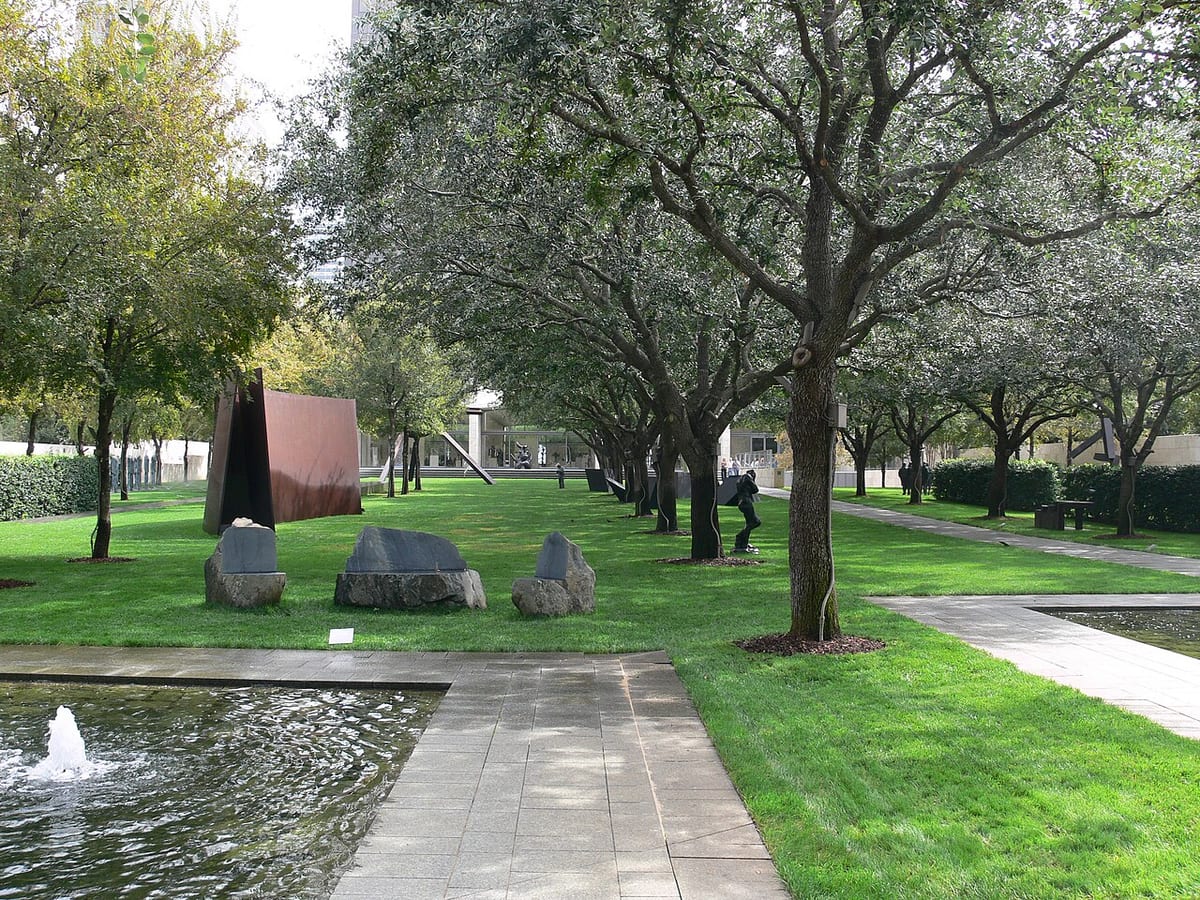

A compact museum and sculpture garden devoted to modern and contemporary sculpture, set beside the Dallas Museum of Art. It takes far less time than a large museum, which makes it an ideal add-on in the same morning. It is especially pleasant when the weather is mild enough to enjoy the garden.
Crow Museum of Asian Art
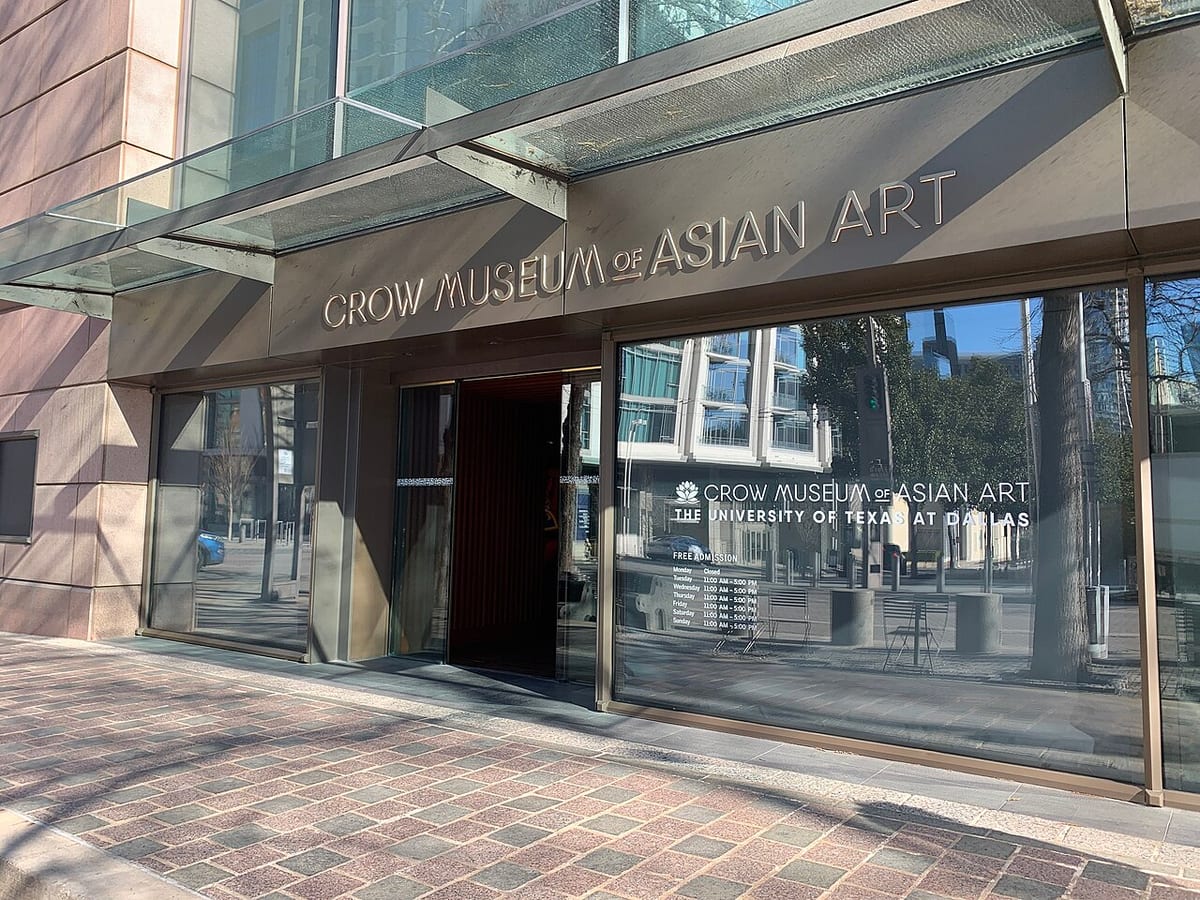

A smaller museum in the Arts District focused on Asian art, it suits travelers who want a quieter counterpart to the larger collections nearby. It has long been known for free admission to its galleries, but confirm current policy before you go.
Klyde Warren Park
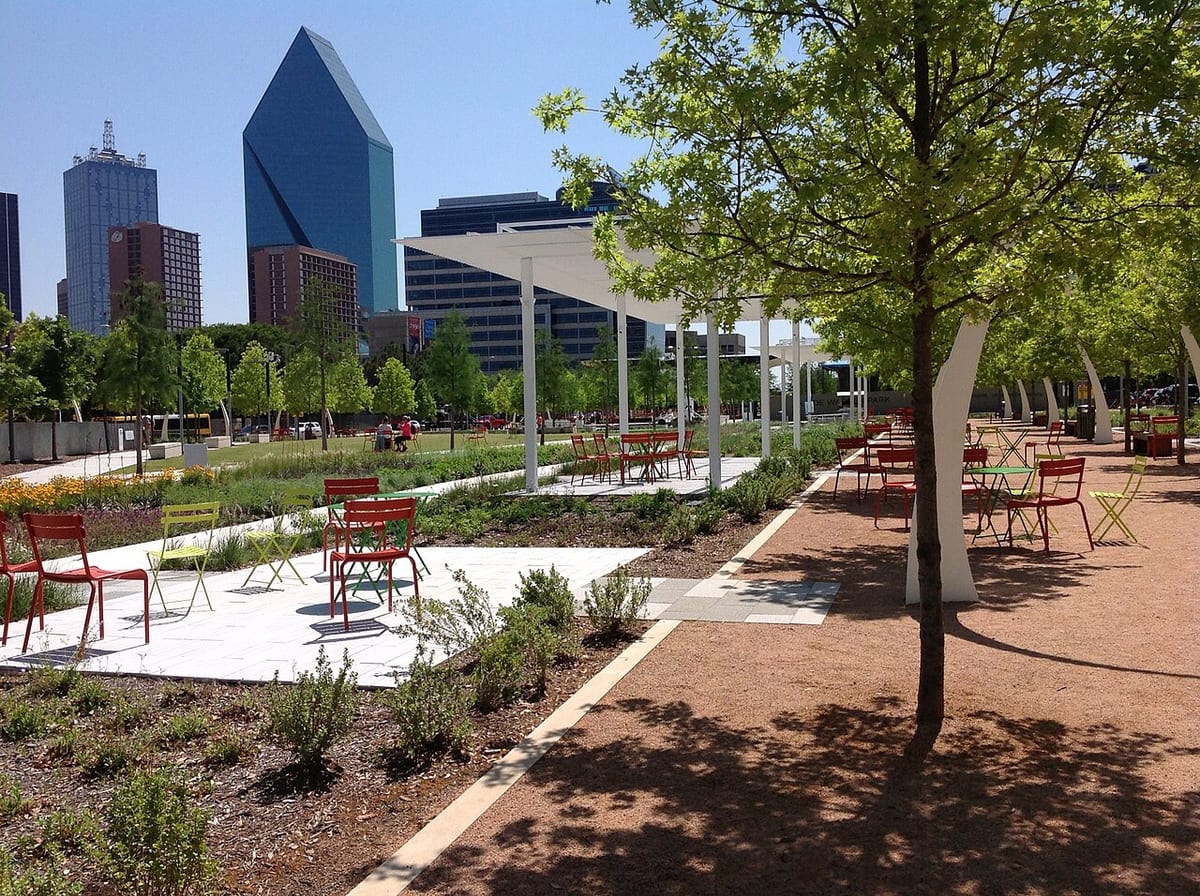

A 5.2-acre park built over a freeway and opened in 2012, it ties the Arts District to Uptown. It offers free programming, lawns, a children’s area and a regular lineup of food trucks, which makes it one of the best low-cost stops in the city. It works as a lunch stop between museums or as an evening wind-down. In summer, go early or after sunset.
Perot Museum of Nature and Science
The strongest museum in Dallas for children, with a dinosaur hall that anchors most visits. It sits slightly apart from the main museum cluster, so treat it as its own half-day rather than a quick add-on. For a family with kids between roughly five and twelve, it can easily outrank the art museums.
Winspear Opera House and the Performing Arts Scene
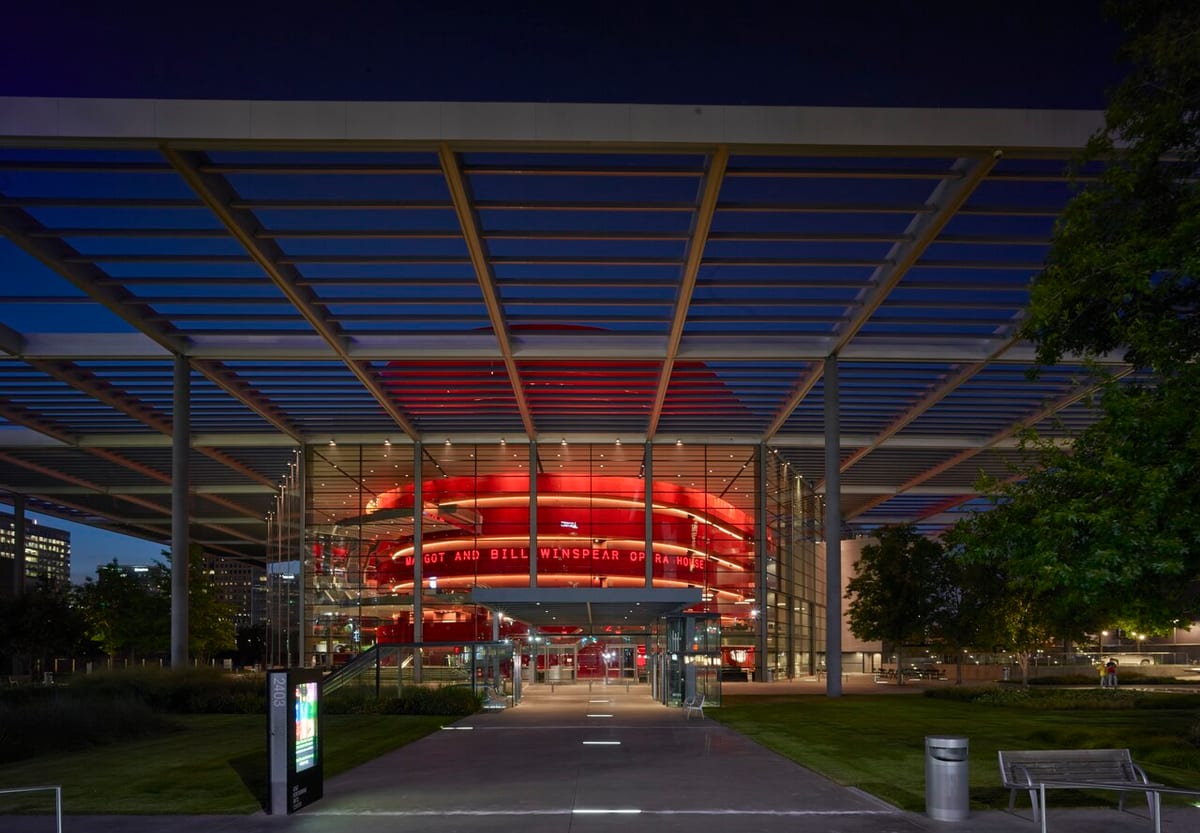
The Arts District’s main performance venue hosts opera and other major productions. If a show lines up with your dates, an evening here pairs naturally with a daytime museum visit, since both are in the same district. Look at the schedule before you arrive rather than hoping for walk-up tickets.
Katy Trail and Uptown
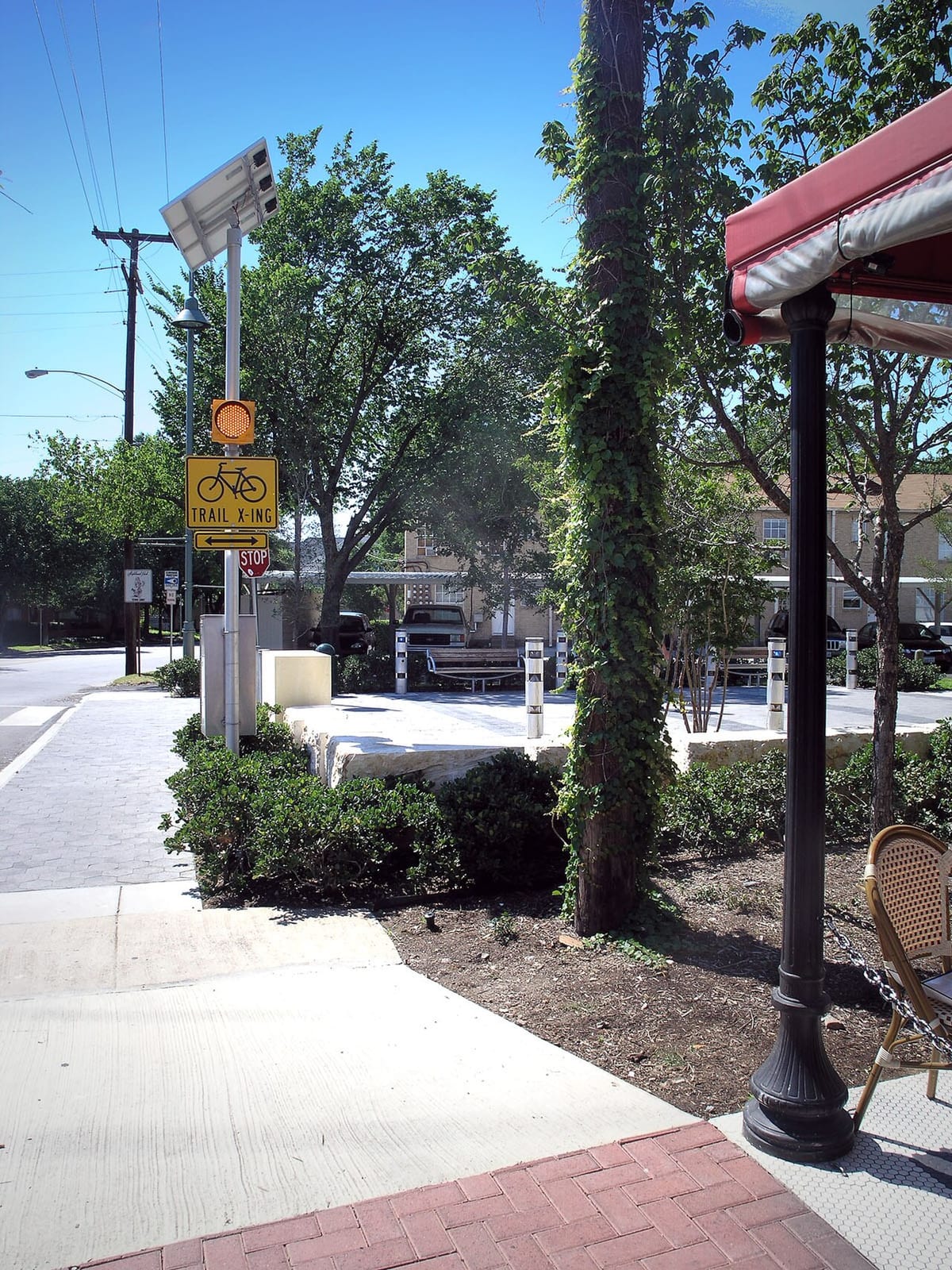

Uptown’s trail is the city’s best-known urban walking and biking route, with restaurants and patios along its edge. It suits travelers who want to move through a neighborhood at an easy pace rather than tick off a site. Summer midday is a poor time for it, so plan for morning or early evening.
SMU Area: Presidential History and Spanish Art
George W. Bush Presidential Center
On the SMU campus, the center combines a presidential library, a museum with interactive exhibits and a replica of the Oval Office. It rewards people with an interest in recent American history and makes for a substantial half-day. It is not in the downtown cluster, so plan it as a separate trip rather than an add-on to a Dealey Plaza morning.
Meadows Museum
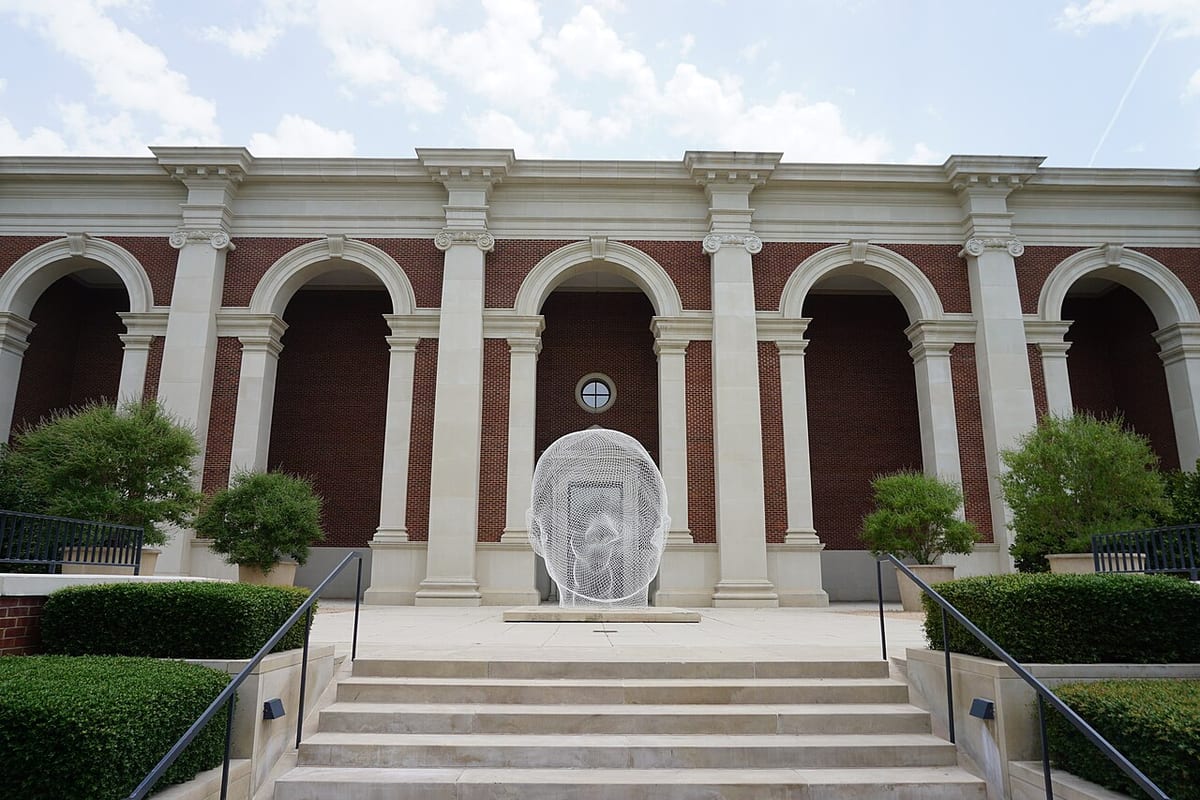

Also at SMU, the Meadows is known for its Spanish art collection. Pair it with the Bush Center if you want a campus-area day, but if you only have time for one stop in this part of the city, choose based on whether you prefer politics or painting.
East Dallas, Deep Ellum and the Lake
Dallas Arboretum and Botanical Garden
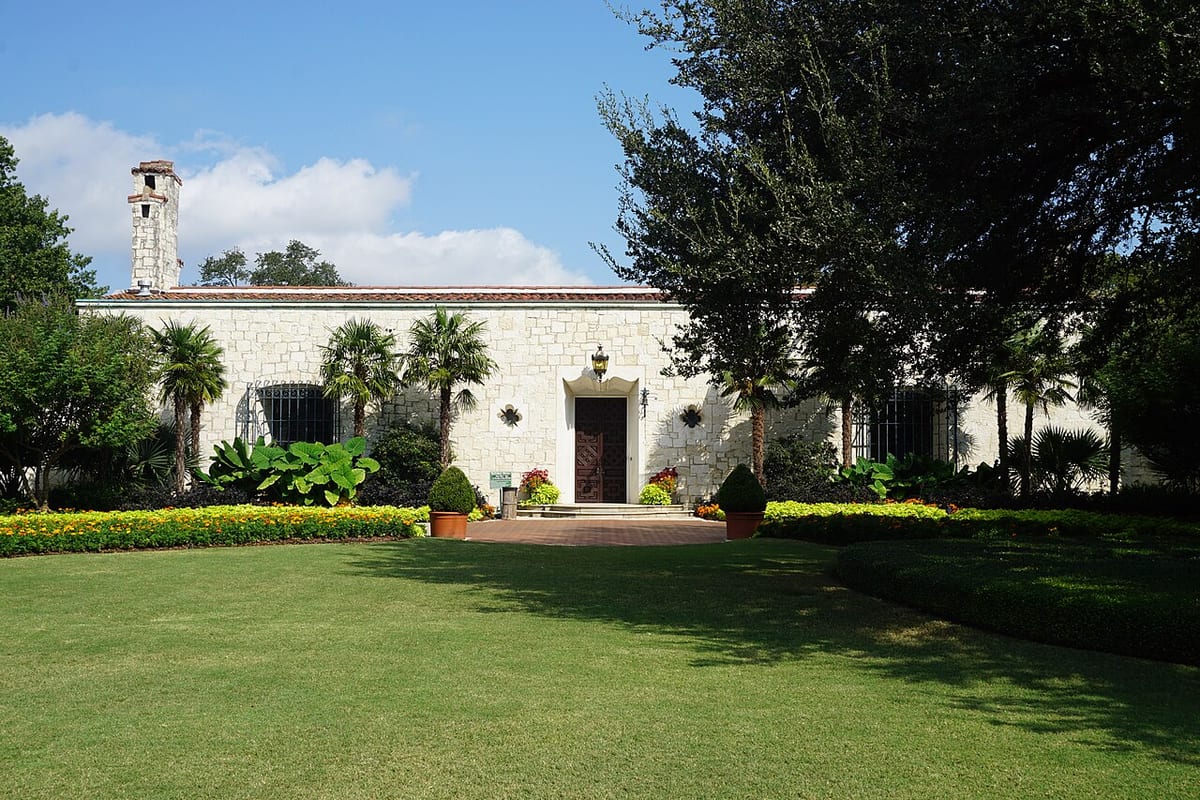

The 66-acre garden on the shore of White Rock Lake is among the city’s most visited attractions, and it is open daily from 9 a.m. to 5 p.m., except on Thanksgiving, Christmas and New Year’s Day. The seasons shape the experience. Late winter and spring bring Dallas Blooms, with hundreds of thousands of bulbs, while autumn brings the Pumpkin Village. Autumn at the Arboretum runs September 19 through November 1 in 2026, and weekday mornings tend to be quieter and cheaper than weekends.
The garden includes a large children’s adventure garden, making it a strong choice for families. Summer is the weakest season, since the heat limits how much of the grounds you will want to cover. There is no convenient rail connection, so plan on driving or using a rideshare.
White Rock Lake

This 1,015-acre lake sits about five miles northeast of downtown and is the city’s main outdoor escape. Walking, running and cycling paths circle it, and it pairs naturally with a morning at the Arboretum. Think of it as a scenic recreation area rather than a swimming destination; posted rules apply, and the lake beaches farther out are the better choice for swimming.
Deep Ellum
The district is known for murals, bars and some of the best live music in the city. Venues such as Trees and The Bomb Factory host touring and local acts, and the neighborhood is best after dark. A DART station serves the area, which makes it easier to visit without a car. Check what is playing before you commit, because the quality of the evening depends on the calendar.
Fair Park and the State Fair
Fair Park
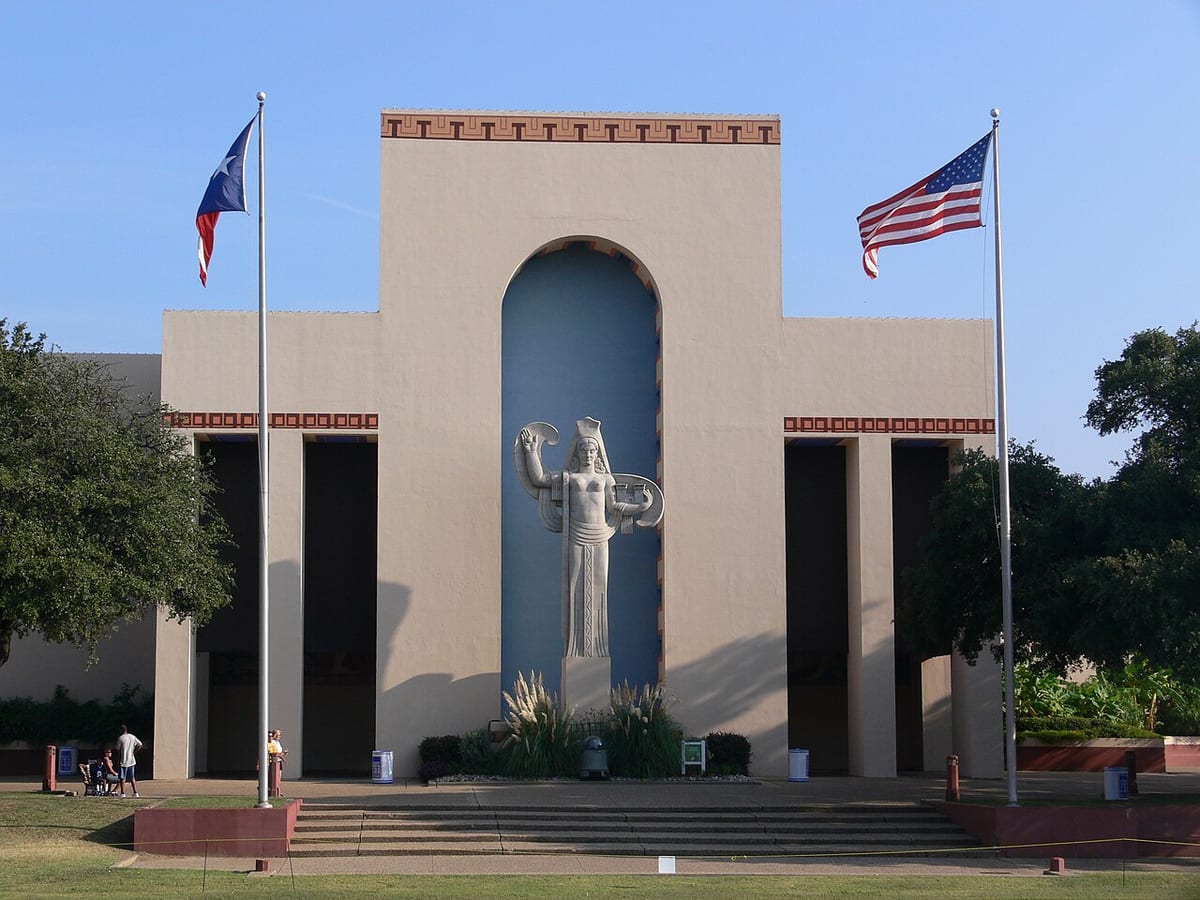

A National Historic Landmark, Fair Park preserves Art Deco buildings from the 1936 Texas Centennial Exposition and also contains the Cotton Bowl. Beyond the fair, it holds the Children’s Aquarium, the butterfly house at Texas Discovery Gardens and the African American Museum of Dallas. It rewards architecture fans most. The DART Green Line stops at Fair Park Station.
State Fair of Texas
The fair runs for about three and a half weeks from late September into October, and the 2026 dates are September 25 through October 18. The fair is famous for fried food, the 55-foot Big Tex greeter and the corny dog, which was introduced at the 1942 fair. Entry is by daily ticket, with 2026 prices cut and weekday adult tickets capped lower than weekend ones. The clear bag rule has been in effect, and firearms are banned at Fair Park, so check the current rules before you pack. Weekdays are usually less crowded than weekends, and taking the DART Green Line avoids the parking question entirely.
Oak Cliff and Southern Dallas
Bishop Arts District
This Oak Cliff neighborhood is known for independent shops, restaurants and small galleries, and it gives visitors a different side of Dallas from the glass towers downtown. It is best for travelers who like to wander, shop and eat in a small, walkable area. Plan to drive or take a rideshare.
Dallas Zoo
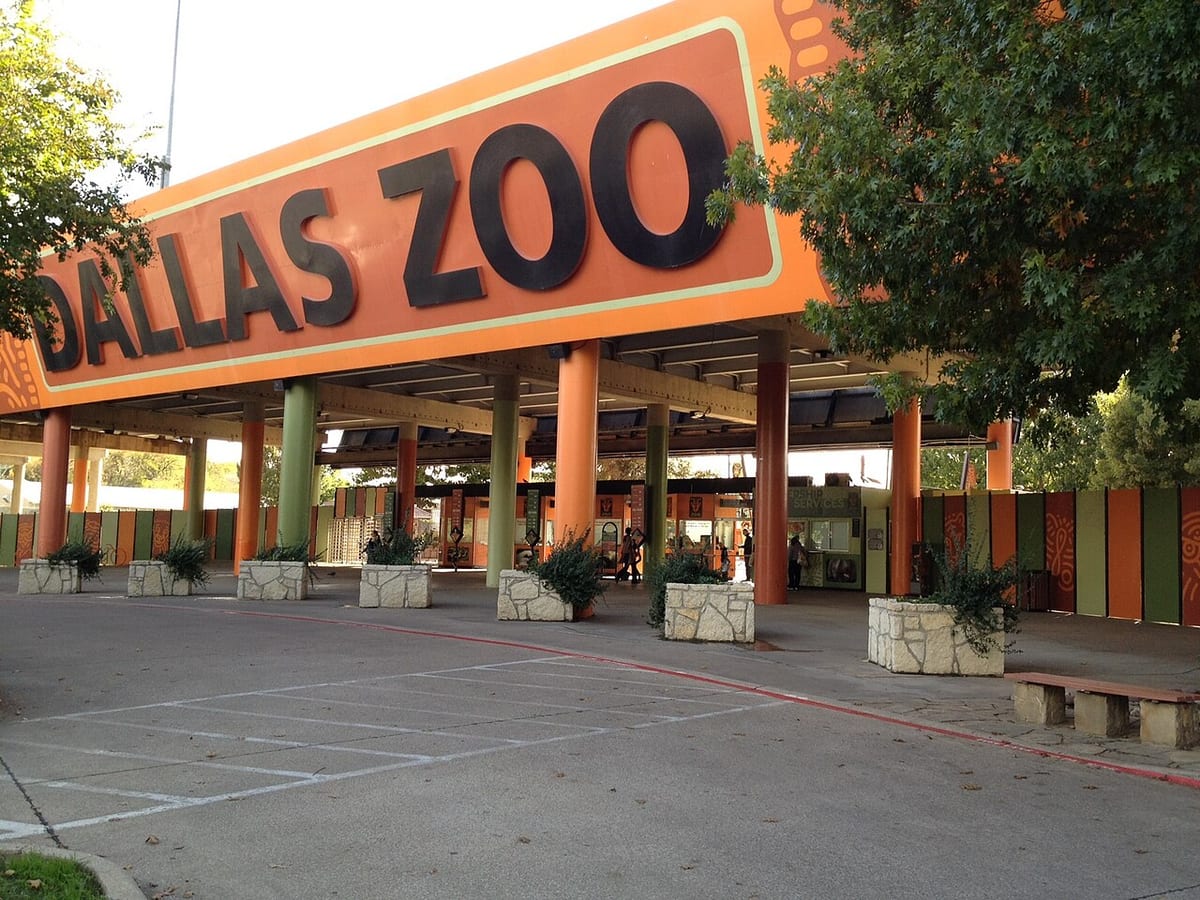

It is the largest and oldest zoo in Texas, with extensive African exhibits and a savanna area. It is a full half-day for families with young children. As with most outdoor attractions here, go in the morning during summer.
Trinity River Audubon Center
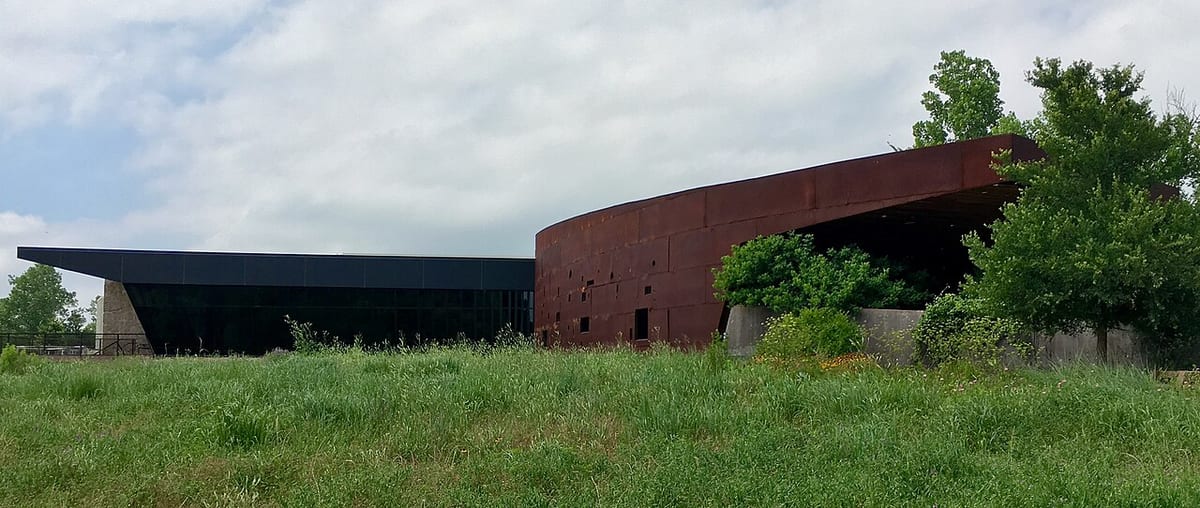

This nature center in southern Dallas offers trails, wetlands and prairie, and it is a good choice for birdwatchers and anyone who wants a quieter side of the city. It is not a typical tourist stop, so it suits people with a specific interest in nature rather than first-time visitors working through highlights.
Cedar Ridge Preserve
On the Dallas side of Joe Pool Lake, this preserve offers some of the more rugged hiking near the city. It is a good option for visitors who want a real trail instead of a paved path. Go in cooler months or early in the day.
Beyond Dallas: Day Trips and the Wider Metro
AT&T Stadium
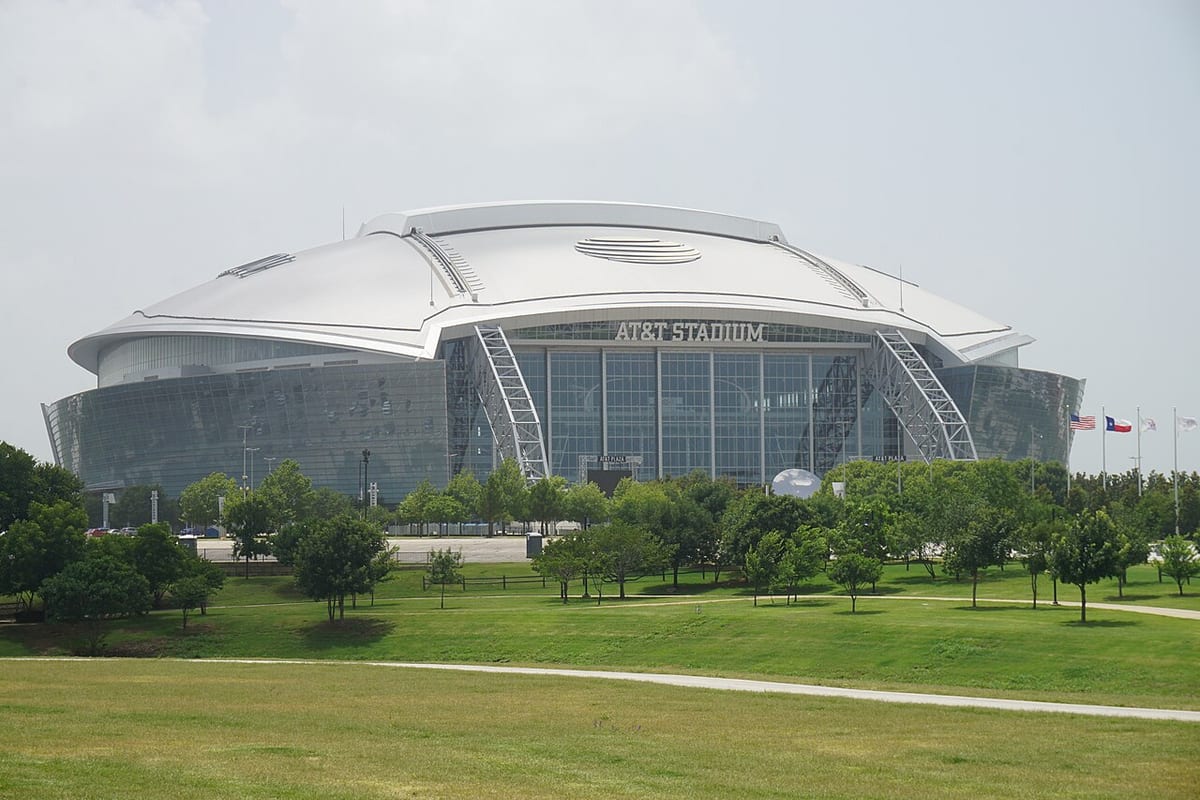

The Dallas Cowboys’ stadium is in Arlington, between Dallas and Fort Worth, and it offers tours as well as game-day events. It matters most to football fans, and a game is a different experience from a tour. Because it is outside the city, it needs a car or a dedicated transport plan.
Fort Worth Stockyards and Billy Bob’s Texas
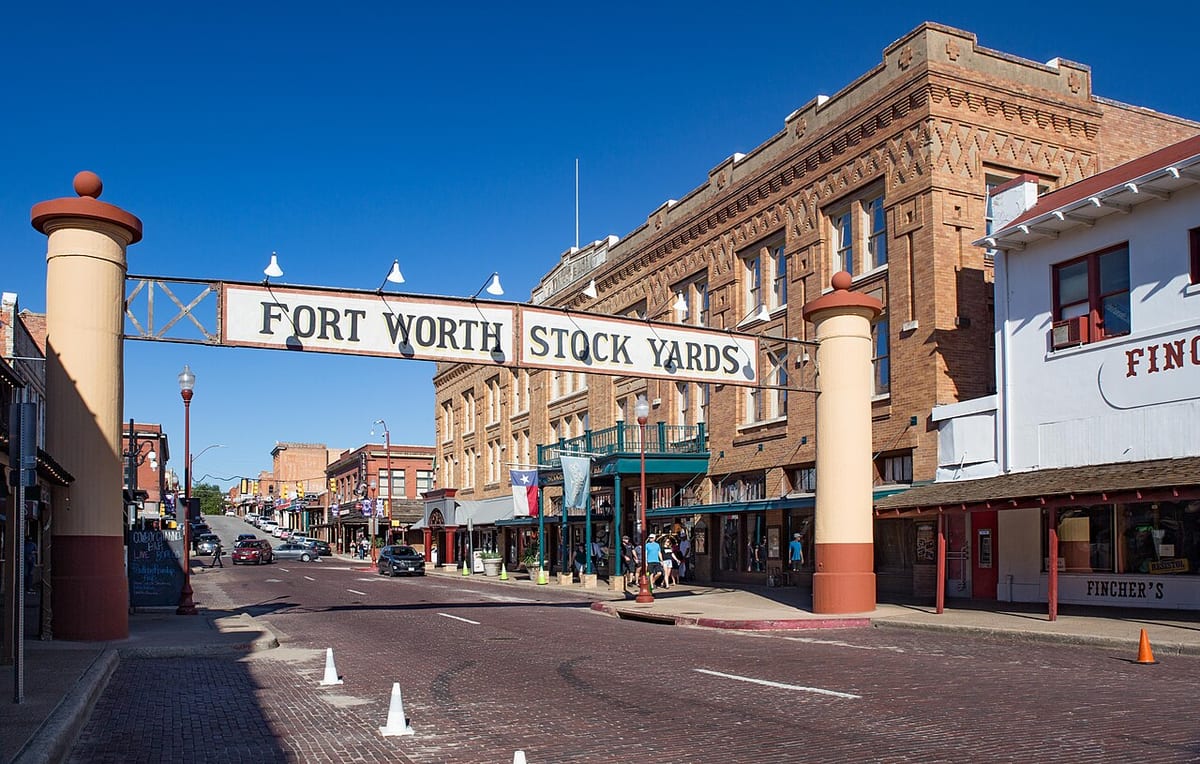

Fort Worth is about 30 miles west of Dallas and is the strongest day trip in the region. The Stockyards give the most direct taste of the Western tradition, and Billy Bob’s Texas is a large honky-tonk with live country music. It is best late in the day into the evening.
Fort Worth’s Museums
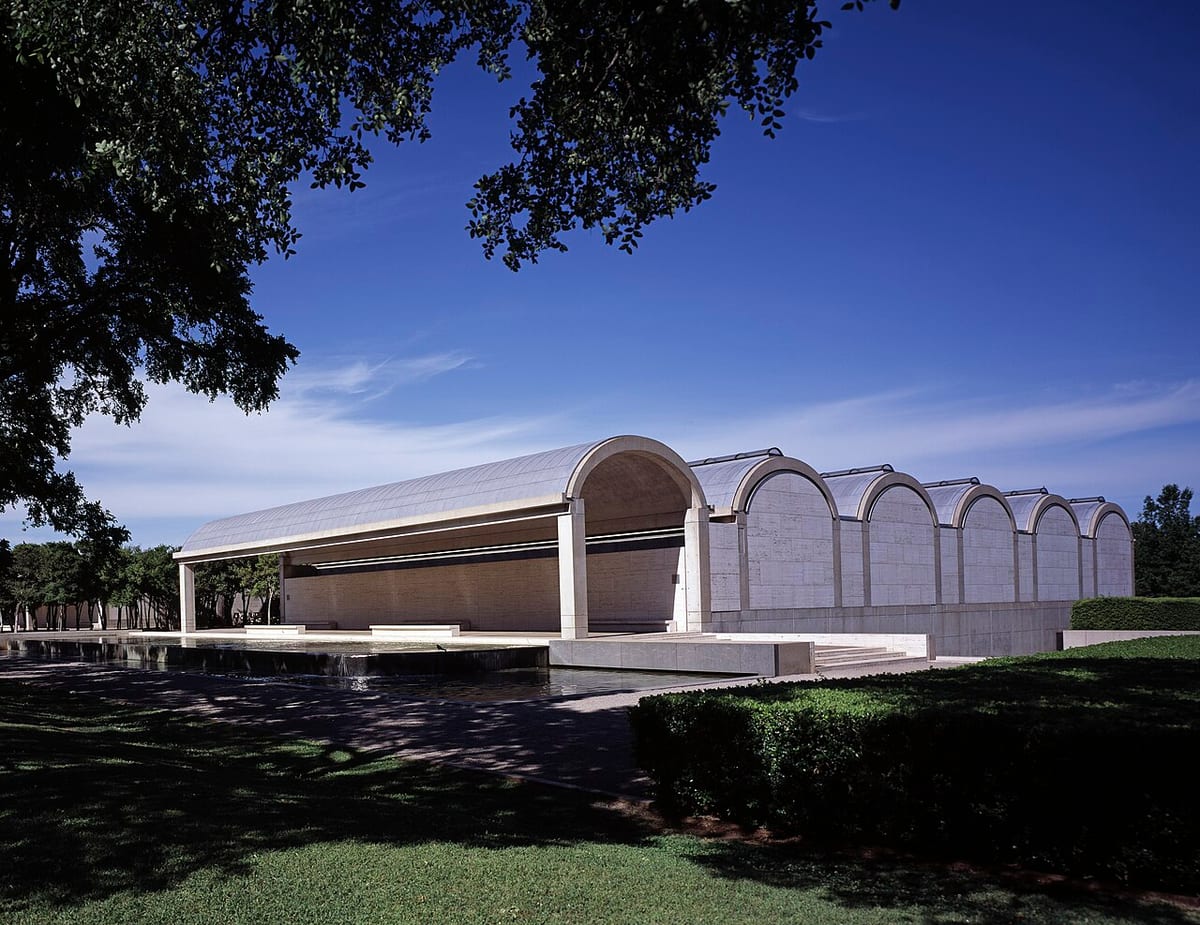

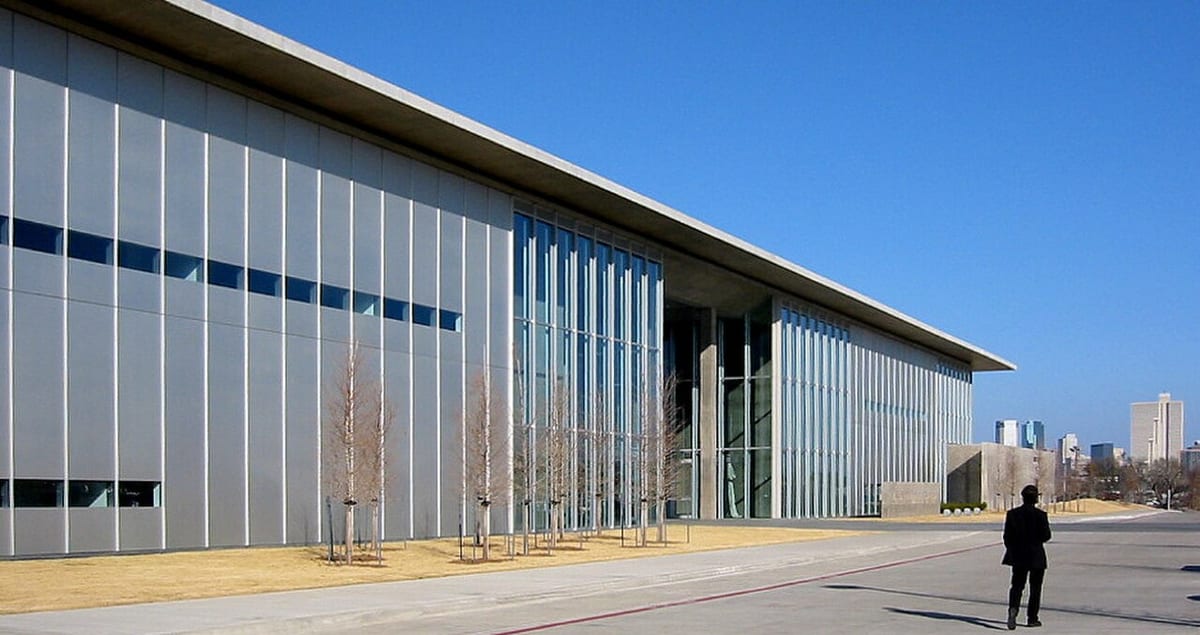

The Kimbell Art Museum, the Modern Art Museum of Fort Worth and the Amon Carter Museum make Fort Worth a strong art destination in its own right. If your trip is already museum-heavy in Dallas, choose either the Stockyards or the museums for the Fort Worth day rather than trying to do both in a few hours.
Grapevine Mills: Meow Wolf and SEA LIFE
Meow Wolf’s The Real Unreal is an immersive art installation and one of the more unusual indoor options in the metro. SEA LIFE Aquarium is also in the Grapevine Mills complex. Together they make a workable rainy-day or hot-day plan, particularly for families.
Grapevine Lake
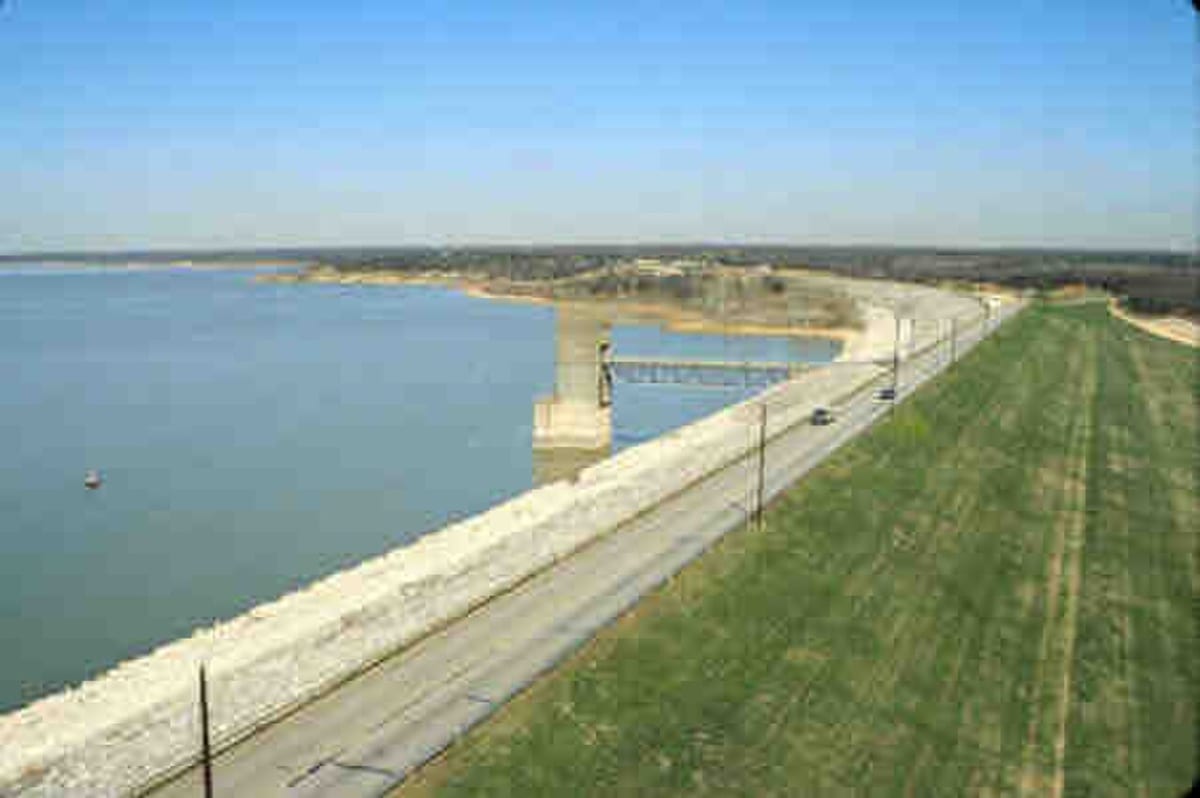

Meadowmere Park on Grapevine Lake has sandy beaches, and a floating obstacle course called Whoa Zone operates in summer. It is a better fit for families and groups than for travelers looking for solitude.
Lake Beaches Near Dallas
Dallas has no ocean beaches, but several lake beaches are within a drive. Little Elm Beach on Lewisville Lake is described as the largest public beach in North Texas, with wide sand for swimming and beach games. Rules have restricted pets and glass containers there, so check before you go. Lynn Creek Park on Joe Pool Lake, in Grand Prairie, has a white sandy beach and a volleyball court, though pets are not allowed on the beach. Lifeguard availability and hours have varied, so confirm before you go.
Southfork Ranch
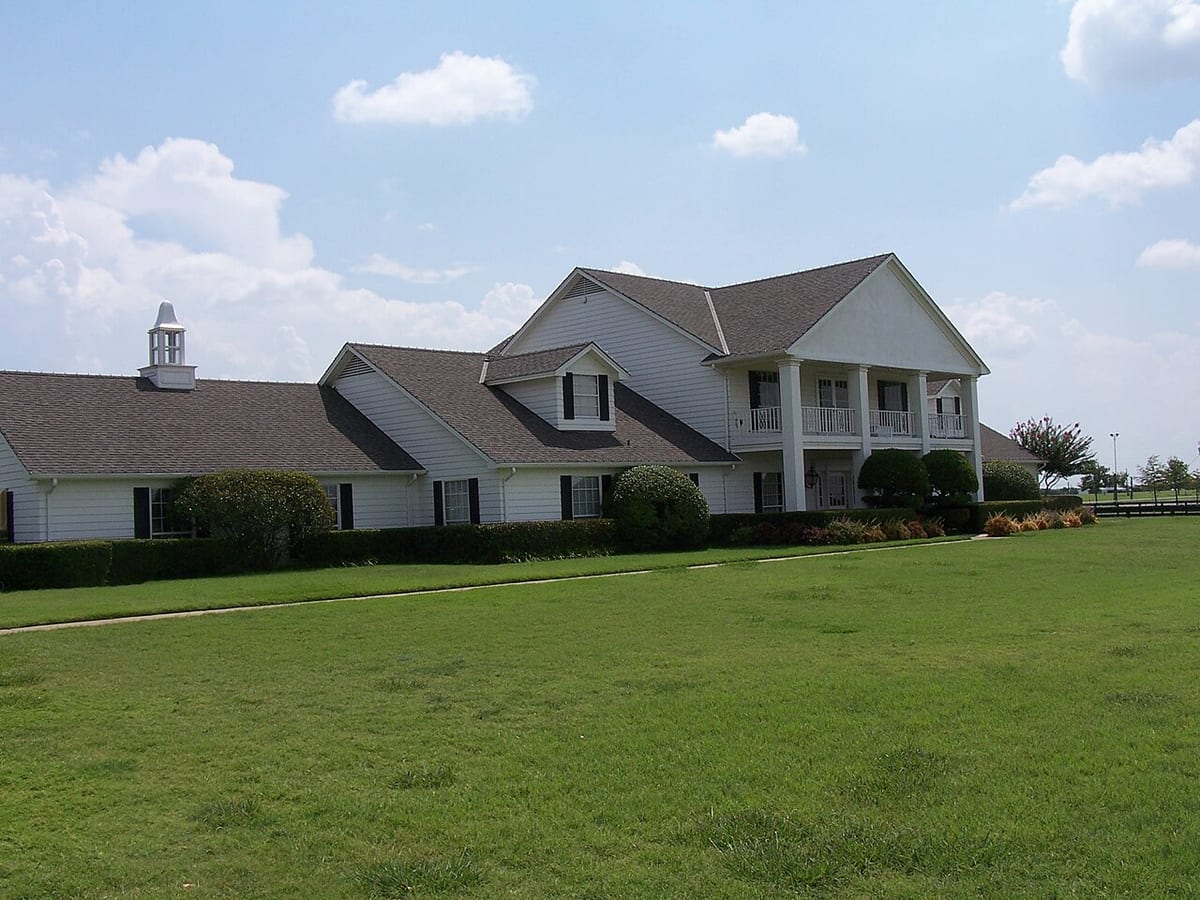

Known to many travelers as the ranch from the television series Dallas, it is a day-trip option outside the city. It mostly appeals to fans of the show and takes a car to reach.
Food and Drink Worth Planning Around
Frozen Margaritas
Dallas calls itself the home of the frozen margarita. In 1971, Mariano Martinez adapted a soft-serve machine to make frozen margaritas at his restaurant, Mariano’s Hacienda, which is still open. The city’s visitor bureau has run a self-guided Margarita Mile trail of participating restaurants and bars. It is a fun way to structure an evening, though pacing is wise.
Tex-Mex
Fajitas, enchiladas and queso are staples here, and long-running places such as El Fenix, Mia’s and Rafa’s are commonly named. For a first visit, one Tex-Mex meal is essentially required.
Barbecue and Steakhouses
Texas-style barbecue is a major draw, and many pitmasters sell out early, so plan lunch accordingly. For steak, Bob’s Steak & Chop House and Al Biernat’s are well-known names. Both categories benefit from reservations or early arrival.
Sports, Shopping and Seasonal Events
American Airlines Center and the Cotton Bowl
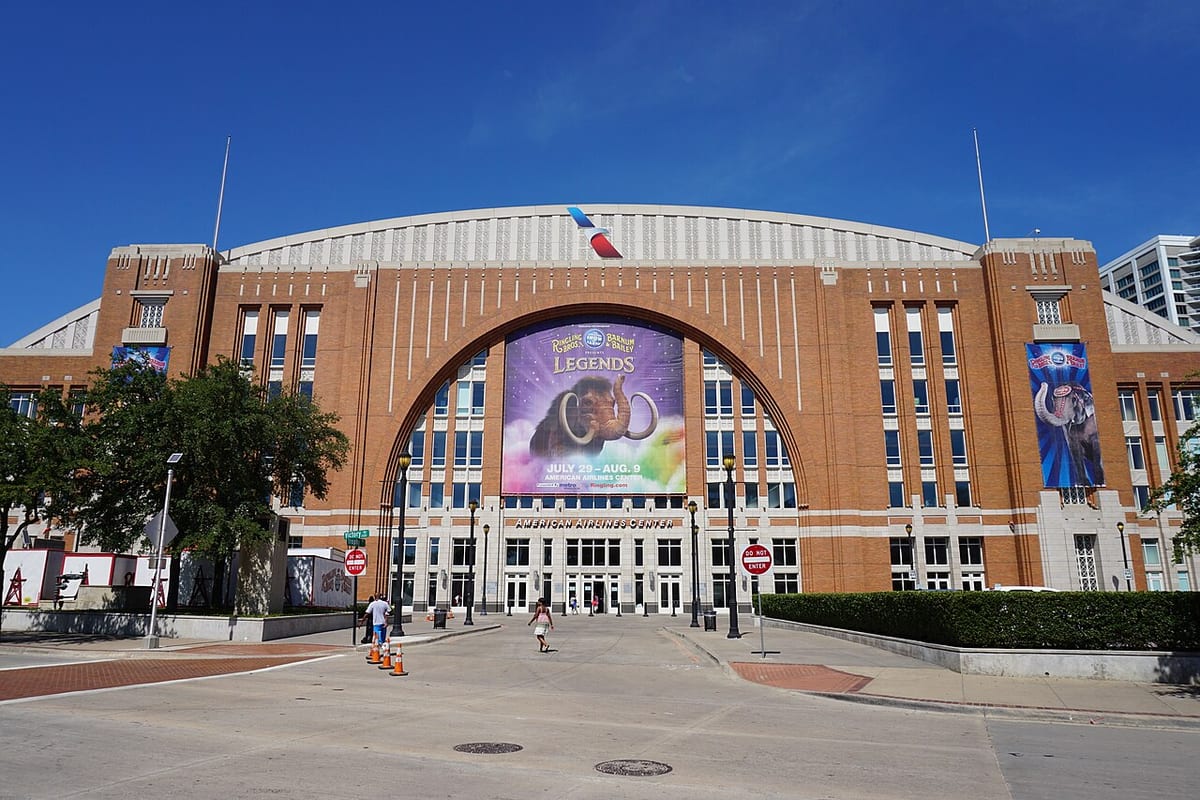

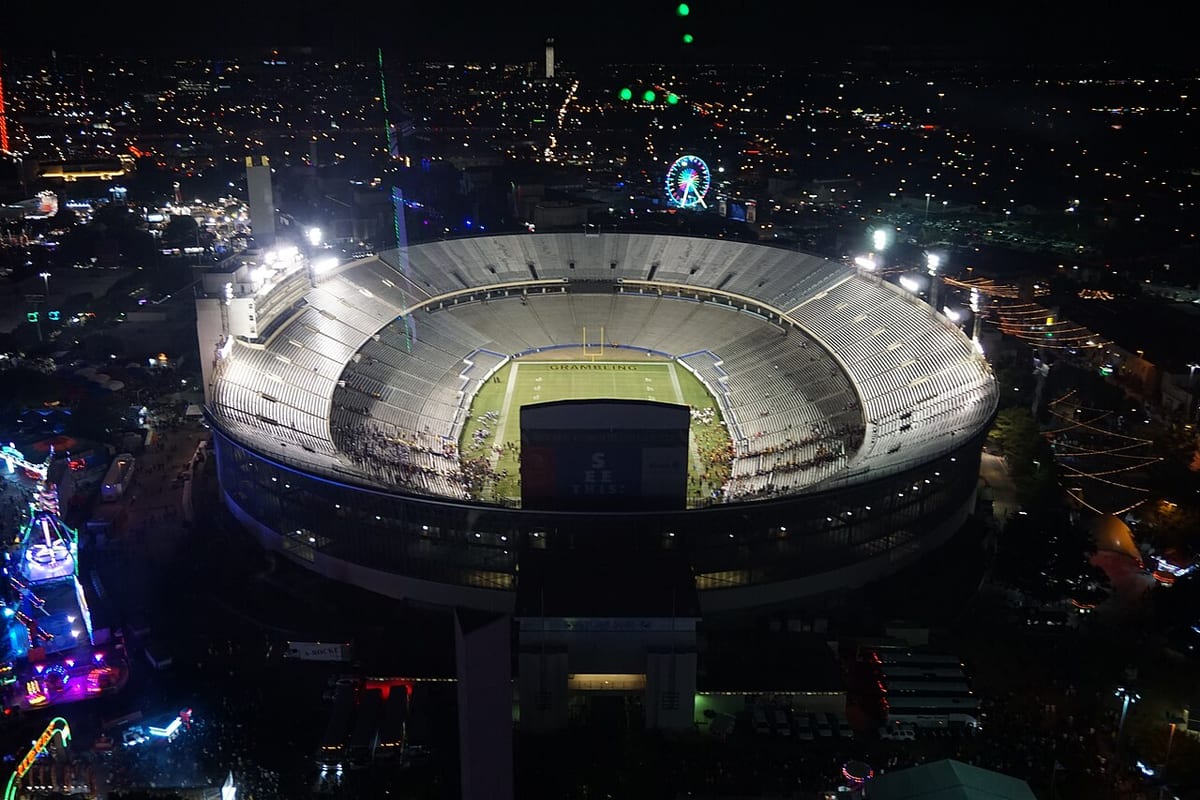

The American Airlines Center hosts major sports and concerts, and the Cotton Bowl at Fair Park hosts football events. Both are best planned around a specific event instead of treated as sightseeing stops.
Galleria Dallas
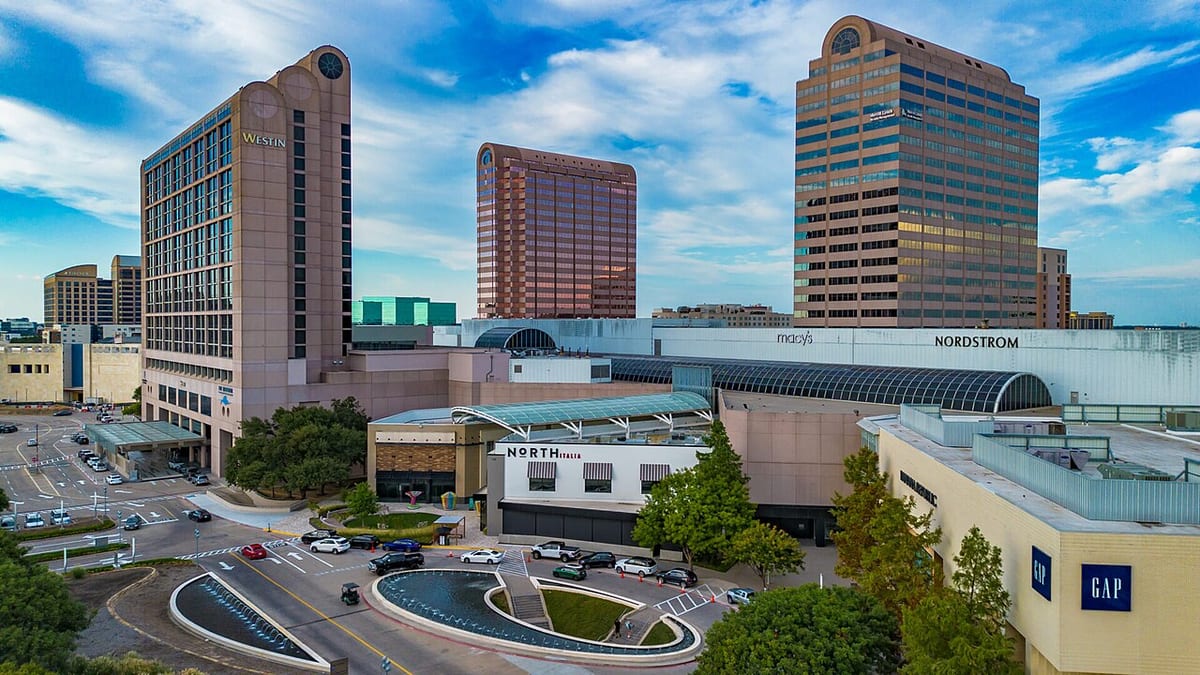

A large indoor shopping center with an ice rink at its center. It is a practical afternoon option when the weather is poor or the heat is intense.
Dallas Holiday Parade
In December, the Dallas Holiday Parade brings floats and marching bands downtown. It is useful if you are visiting during the holiday season, but confirm the date and route before planning around it.
Best Choices by Type of Traveler
| Traveler | Start with | Why |
|---|---|---|
| First-time visitor | Sixth Floor Museum, Reunion Tower, Dallas Museum of Art | Covers the city’s history, skyline and art in a compact area |
| Families with young children | Perot Museum, Dallas Zoo, Arboretum | Hands-on and outdoor stops that suit short attention spans |
| Budget travelers | Dallas Museum of Art, Klyde Warren Park, Dealey Plaza | Free or low-cost options in the core |
| Art lovers | Dallas Museum of Art, Nasher, Fort Worth museums | Strong collections within a short distance |
| Music fans | Deep Ellum | Live venues and nightlife in one district |
| Outdoor travelers | Arboretum, White Rock Lake, Cedar Ridge Preserve | Gardens, lake paths and hiking |
| Travelers without a car | Downtown, the Arts District, Deep Ellum, Fair Park | These areas have rail access |
When to Go
Spring and fall are generally the most comfortable seasons, and they are when the city’s outdoor attractions are strongest: Dallas Blooms in spring, and the State Fair and Autumn at the Arboretum in the fall. North Texas summers are hot, so build summer plans around indoor attractions in the afternoon and outdoor ones early or after dark. December brings the Holiday Parade and a quieter pace at some outdoor sites.
Getting Around
DART rail serves several of the main attractions, including the Sixth Floor Museum area, the Dallas Museum of Art, Deep Ellum and Fair Park, and it also reaches DFW Airport. The Arboretum, White Rock Lake, Oak Cliff, Arlington, Grapevine and the lake beaches are realistically car or rideshare trips. If you plan to visit several ticketed attractions, a city attractions pass may save money, but check which sites it includes against your actual list before buying.
Common Planning Mistakes
The first mistake is treating Dallas as one walkable city. Downtown and the Arts District work on foot, but East Dallas, Oak Cliff and Fair Park do not connect that easily, and a day that jumps among them can lose hours to transit.
The second is arriving at the Sixth Floor Museum without a timed ticket. The museum requires advance purchase, and weekends fill up.
The third is overpacking the Arts District. One major museum, one smaller museum and a park is a full day. Adding the Perot Museum usually makes it too much.
The fourth is expecting a normal beach. Dallas has lake beaches, not ocean ones, and rules, hours and lifeguard coverage vary.
The fifth is ignoring the heat. Outdoor attractions in midsummer afternoons are punishing, and the better strategy is to shift them to the morning.
Putting It Together
A realistic first visit might run like this. On the first day, start downtown with the Sixth Floor Museum and Dealey Plaza, add Reunion Tower or the aquarium, and finish in the Arts District with an evening at Klyde Warren Park. On the second, spend the morning at the Arboretum and White Rock Lake, then head to Deep Ellum for dinner and music. On the third, pick a direction: Fort Worth for Western history and museums, Fair Park and the zoo for a more local day, or a lake beach if the weather is right.
Dallas is easiest when you commit to a few clusters instead of trying to see everything. Choose the neighborhoods that match your interests, reserve the few things that require it, and leave room for a long meal.

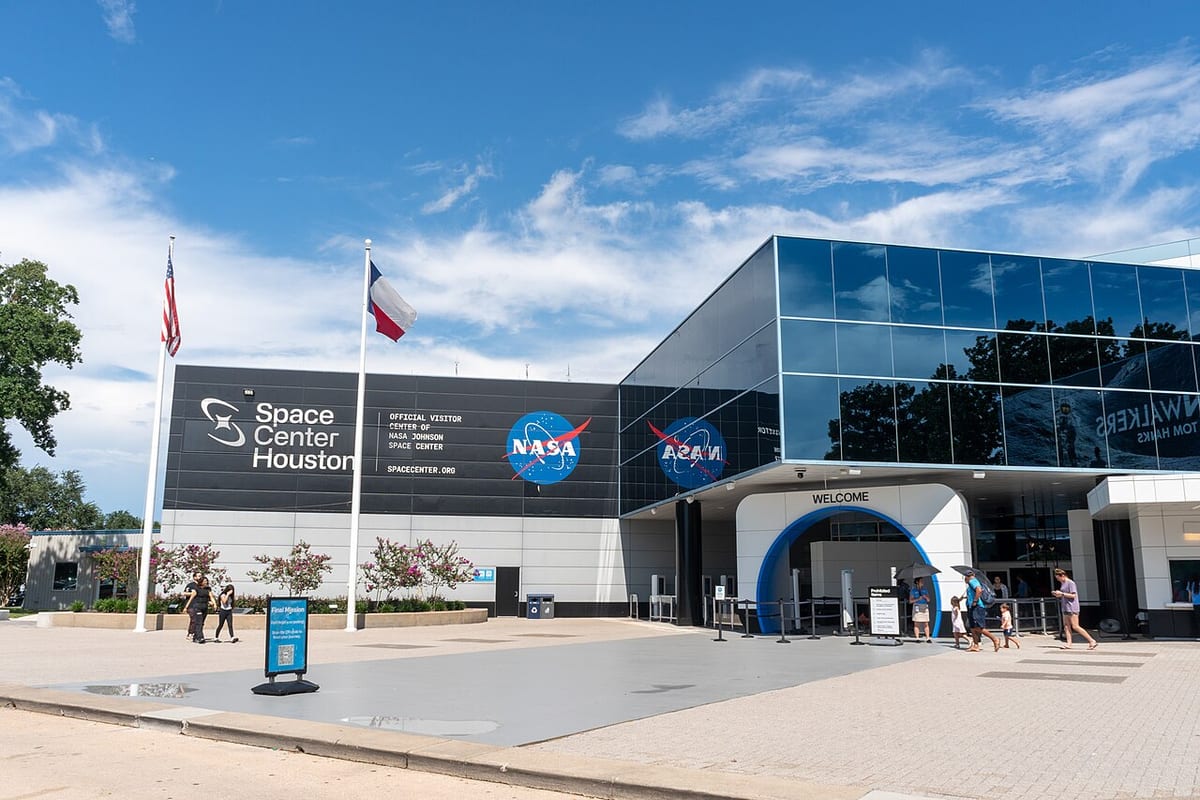
Things to Do in Houston: What Is Worth Your Time and How to Fit It Together
Plan the best things to do in Houston, from Space Center Houston and Museum District favorites to downtown parks, food, events and day trips.
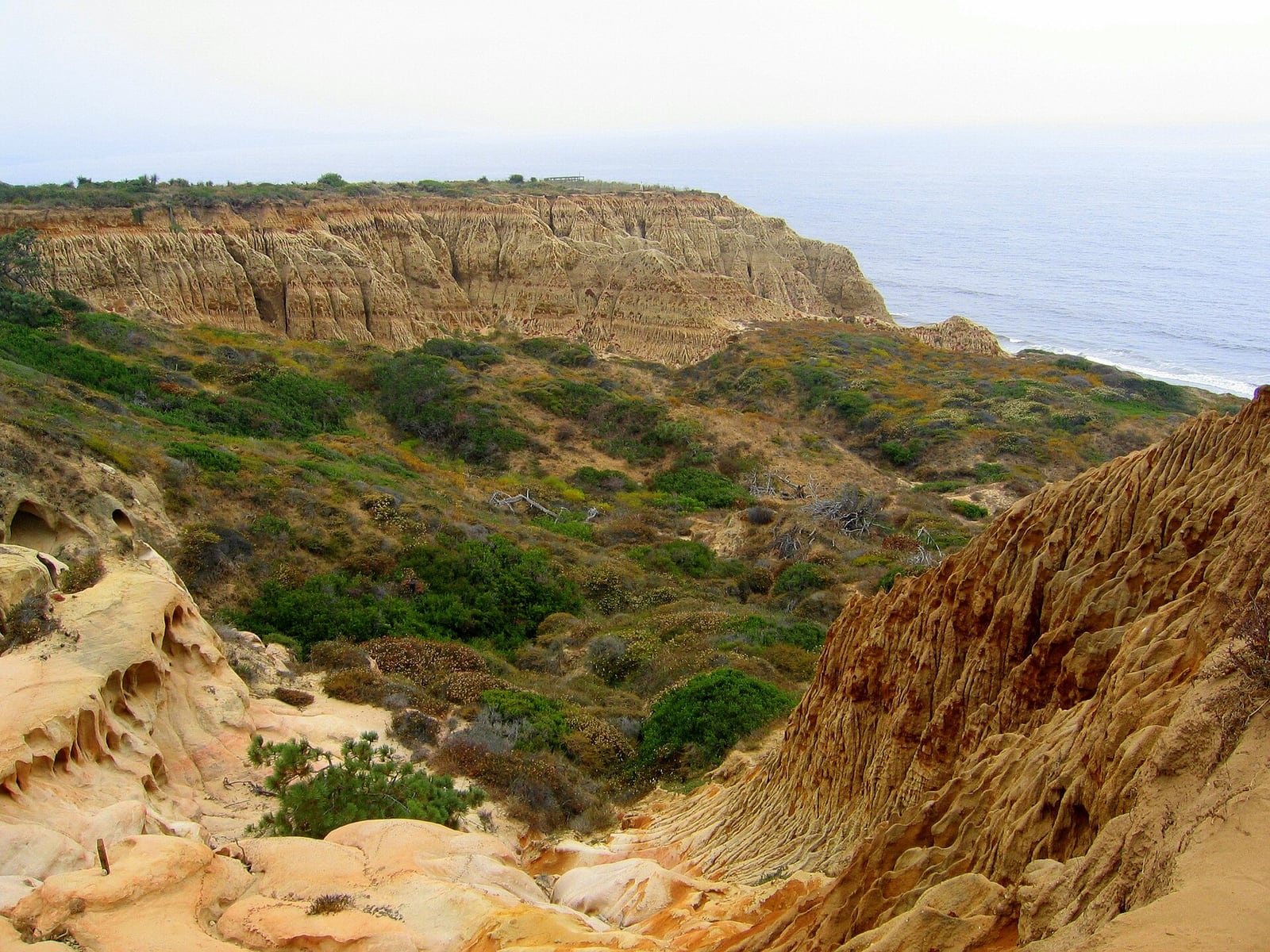
Where to Hike and Surf in the United States: The Best Adventure Destinations and How to Combine Them
Plan a USA hiking and surfing trip with practical destination, season, permit, safety, and itinerary advice for Hawaii, California, the Pacific Northwest, and beyond.
Travel Tweaks Hotels: How TravelTweaks.com Helps You Find Better Deals, Upgrades, and Smarter Hotel Stays
Travel Tweaks Hotels on traveltweaks.com: what the hotel search tool does, how to compare rates and get upgrades, the 10 hotel hacks grouped as the site shows them, and what the site does not do.