
ICE Launched a New Initiative Targeting U.S. Birth Tourism Schemes: What It Means for Travelers
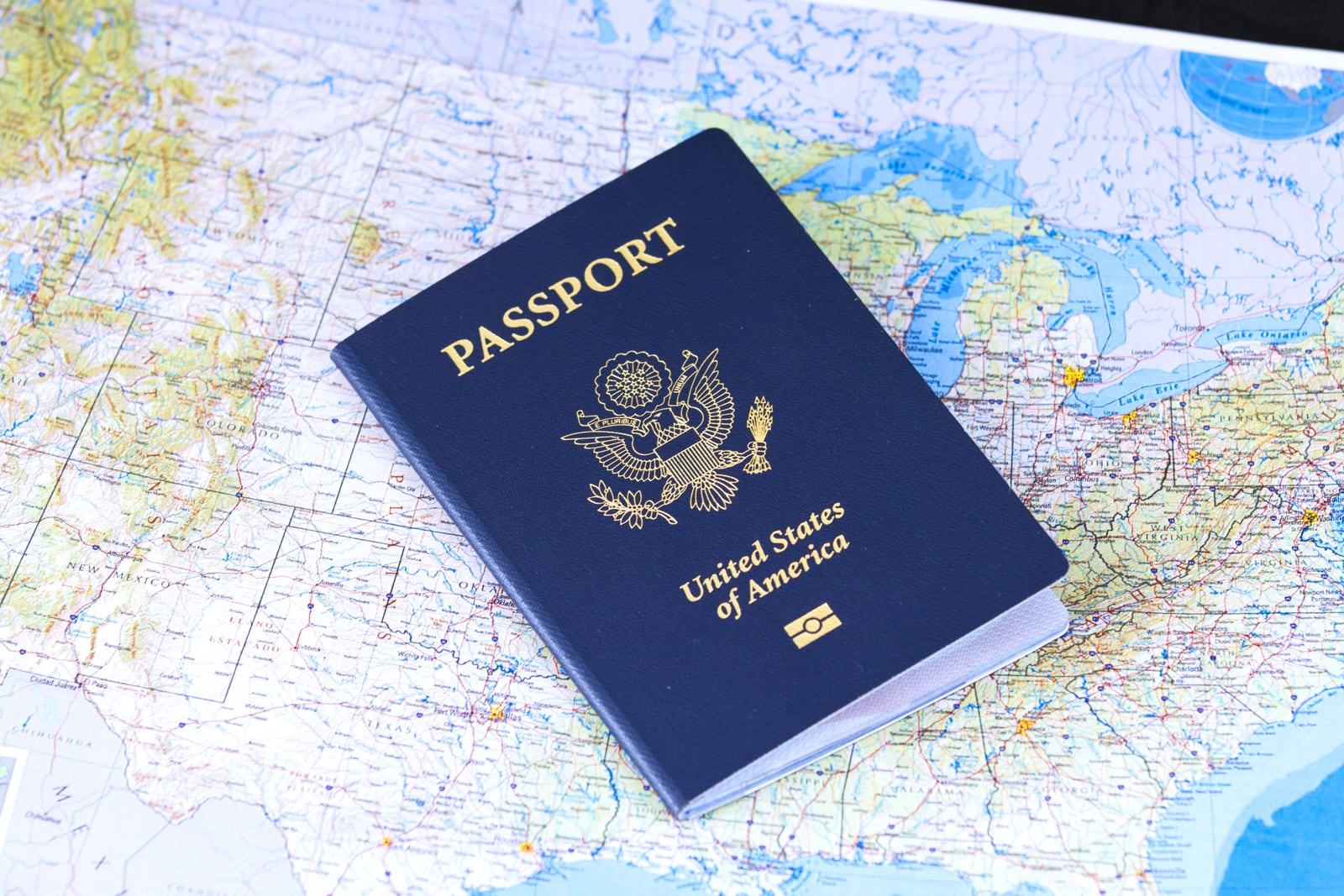


U.S. Immigration and Customs Enforcement has launched a Birth Tourism Initiative aimed at finding alleged fraud, financial crimes, and organized networks that help foreign nationals travel to the United States to give birth for the primary purpose of securing U.S. citizenship for a child. The initiative focuses on suspected schemes and false immigration claims. It does not make pregnancy or giving birth in the United States unlawful by itself.
For travelers, the practical issue is honesty and documentation. U.S. visitor-visa rules already prohibit using a B visitor visa when the primary purpose of travel is to obtain U.S. citizenship for a child through birth in the United States. A person who is pregnant is not automatically ineligible for a visa or admission, but false statements about travel purpose, length of stay, finances, housing, or medical plans can create serious immigration and legal consequences.
Quick Answer
| Question | Current answer |
|---|---|
| What is ICE targeting? | Alleged fraud, financial crimes, and organized facilitation networks connected to birth tourism schemes. |
| Is giving birth in the United States illegal? | No. Giving birth in the United States is not unlawful by itself. |
| Is birth tourism allowed on a visitor visa? | No, when the primary purpose is to obtain U.S. citizenship for a child through birth in the United States. |
| Can a pregnant traveler still seek a U.S. visa? | Pregnancy alone does not automatically disqualify an applicant. The travel purpose and facts of the case matter. |
| What should legitimate medical travelers do? | Be truthful, document the medical purpose, show arrangements for care, and be ready to show how costs will be paid. |
What the Birth Tourism Initiative Is Designed to Do
ICE’s new effort is reported to be led by Homeland Security Investigations, the agency component that investigates cross-border crime, financial misconduct, document fraud, and other violations. The stated focus is not simply on people who give birth in the United States. It is on alleged networks that may arrange travel, housing, transportation, visa applications, financial transfers, and other services while encouraging clients to misrepresent why they are coming to the country.
That distinction matters. A criminal investigation may focus on organizers, businesses, intermediaries, and individuals accused of knowingly participating in fraud. Possible issues can include false visa applications, false statements to immigration officials, money laundering, misuse of public benefits, or concealment of the planned length and purpose of a stay.
The launch also does not create a new rule that makes every pregnancy-related U.S. visit suspicious. U.S. immigration decisions remain fact-specific. The government has said that it is focused on potential violations of federal law associated with organized schemes.
Why the Initiative Is Receiving Attention
Birth tourism has been part of U.S. immigration policy debate for years. The term generally refers to travel to the United States for the primary purpose of giving birth so that a child may acquire U.S. citizenship at birth. Federal enforcement cases have previously involved businesses that offered housing, transport, visa assistance, and other services to clients, sometimes alongside allegations that clients were instructed to conceal the real reason for their trip.
The 2026 initiative gained attention because it directs investigators to prioritize these alleged networks nationally. It also arrives during broader political and legal debates about immigration and citizenship. For travelers, however, it is important not to confuse public debate with the rules that apply to an individual case.
The central compliance question is whether a visitor is seeking to enter the United States for a legitimate temporary purpose and is providing accurate information to consular and border officials.
The Visitor Visa Rule Travelers Need to Understand
Since 2020, U.S. regulations have treated travel for the primary purpose of obtaining U.S. citizenship for a child through birth in the United States as an impermissible basis for a B visitor visa.
This rule does not mean a pregnant person can never travel to the United States. A visa officer evaluates the purpose of travel, the intended length of stay, plans to leave the United States, and the credibility of the information provided. If an officer has reason to believe an applicant intends to give birth during the visit, the applicant may need to show that the primary purpose of the trip is something other than obtaining citizenship for a child.
Legitimate specialized medical care can be relevant. So can a family visit or another temporary purpose that happens to overlap with a pregnancy. Each situation depends on its own facts. A traveler should not assume that a pregnancy is either automatically disqualifying or automatically irrelevant.
Pregnancy Is Not the Same as Immigration Fraud
This is the most important practical distinction. Pregnancy is not a crime. Giving birth in the United States is not, by itself, a crime. A person should not be refused a visa solely because they are pregnant or might become pregnant in the future.
Problems arise when immigration authorities conclude that a traveler concealed a prohibited primary purpose or made false statements. Examples can include claiming a short sightseeing trip while planning a long stay connected to childbirth, using inaccurate accommodation details, misrepresenting who will pay medical costs, or submitting documents that are not genuine.
The initiative is therefore relevant to travelers who may be approached by promoters offering a simple package for a U.S. birth. A package that promises secrecy, coached answers, hidden housing, false paperwork, or an easy way around visa scrutiny is a major warning sign.
What Legitimate Medical Travelers Should Prepare
Someone traveling to the United States for genuine medical treatment should prepare for careful questions and should answer accurately. A medical purpose does not erase visa requirements, but strong documentation can help clarify the purpose of travel.
A traveler may need to show:
-
A clear explanation of the medical reason for travel
-
Information from a medical provider or facility
-
Expected treatment dates and the likely duration of stay
-
A realistic plan for payment of medical and living expenses
-
Details of accommodation and return travel
-
Evidence of ties outside the United States and an intention to depart after the temporary stay
The right documents vary by case. Applicants should not manufacture paperwork or rely on generic letters from a service provider. If the case is complex, an immigration lawyer can explain how current rules apply to the person’s individual facts.
What Visa Applicants and Visitors Should Not Do
The safest approach is straightforward. Do not hide relevant facts, do not use a consultant who promises a guaranteed result, and do not let someone else complete forms without reviewing every answer.
Avoid these mistakes:
-
Giving an inaccurate reason for travel on a visa application
-
Understating the planned length of stay
-
Listing accommodation that will not actually be used
-
Claiming that a trip is fully funded when medical costs cannot be paid
-
Using altered bank records, invitations, medical letters, or travel documents
-
Following advice to avoid questions or conceal a pregnancy
-
Paying an organizer who refuses to provide a clear written service agreement
Visa fraud can affect future visa eligibility, admission to the United States, and other immigration benefits. It can also expose facilitators and participants to investigation or criminal charges, depending on the conduct.
What the Initiative May Mean at Visa Interviews and Borders
The initiative could lead to increased attention to patterns that immigration authorities associate with organized fraud. That does not mean every pregnant traveler will face the same questions or outcome. Visa issuance is decided by the Department of State, while inspection at a U.S. port of entry is handled by Customs and Border Protection. A visa allows a traveler to request entry, but it does not guarantee admission.
Travelers should expect questions that match their stated purpose of travel. The best response is to provide truthful, consistent answers and documents. Arguing, guessing, or changing the story can make an ordinary review more difficult.
People with a pending visa application, a complex pregnancy, a prior immigration issue, or an uncertain travel purpose should seek qualified legal advice before traveling. A blog post or a travel agent cannot assess an individual’s immigration risk.
A Practical Checklist Before Booking
Before paying for flights, accommodation, or medical arrangements, use this checklist:
-
Confirm the actual primary purpose of the trip.
-
Review every answer on the visa application before it is submitted.
-
Make sure medical, financial, accommodation, and travel plans match the information given to officials.
-
Keep proof of the ability to pay for treatment and living expenses.
-
Do not use promoters who advertise hidden services or coached immigration answers.
-
Understand that a visa does not guarantee entry at the airport or land border.
-
Get advice from a qualified immigration lawyer if the facts are unusual or unclear.
This preparation is useful for any U.S. visit, not only for pregnancy-related travel. Consistency and honesty are more protective than a complicated explanation.
What This Means for Businesses and Facilitators
Businesses that provide housing, transport, translation, medical coordination, or travel planning should be careful about how their services are marketed and delivered. Lawful services can become risky when they are tied to instructions to conceal the purpose of travel, falsify visa forms, disguise payments, or mislead authorities.
The initiative is especially relevant to businesses that market packages to pregnant travelers. Clear records, accurate advertising, lawful payment practices, and refusal to participate in deception are essential. A business facing questions from investigators should obtain legal counsel rather than trying to manage an investigation informally.
Final Takeaway
ICE’s Birth Tourism Initiative is aimed at alleged fraud and organized facilitation networks, not at pregnancy itself. The key rule for travelers is already clear: a visitor visa cannot be used when the primary purpose of the trip is to obtain U.S. citizenship for a child through birth in the United States.
For legitimate travelers, the practical response is to be accurate about the purpose of the trip, maintain credible medical and financial documentation, and avoid anyone offering a shortcut around immigration rules. When the facts are complicated, individual legal advice is the safest next step.
Frequently Asked Questions
Is it illegal to give birth in the United States as a visitor?
No. Giving birth in the United States is not illegal by itself. The issue is whether a traveler used a visitor visa for the prohibited primary purpose of obtaining U.S. citizenship for a child or made false statements in the immigration process.
What is ICE targeting in the Birth Tourism Initiative?
The initiative targets alleged fraud, financial crimes, and organized networks that facilitate birth tourism schemes. It is not described as a ban on pregnancy or lawful medical travel.
Can a pregnant person get a U.S. visitor visa?
Pregnancy alone does not automatically prevent visa issuance. A consular officer reviews the purpose of travel and the applicant’s overall eligibility. Applicants must provide truthful information and may need to address questions about travel plans, medical care, and finances.
Can I travel to the United States for medical care during pregnancy?
It may be possible when the travel purpose is legitimate and the applicant meets visa requirements. Travelers should be ready to explain the medical reason, treatment plan, expected cost, funding, and temporary nature of the visit.
Does a U.S. visa guarantee entry at the airport?
No. A visa permits a traveler to seek entry, but Customs and Border Protection makes the admission decision at the port of entry. Travelers should carry documents that support the stated purpose of their trip.
What should I do if a birth tourism company offered to handle my visa and travel plans?
Do not rely on a company that advises secrecy, false answers, altered documents, or hidden arrangements. Review all documents yourself and seek advice from a qualified U.S. immigration lawyer before proceeding.


Saint Martin Island Tourism Closure: What the 2026 Restrictions Mean for Travelers
Learn what Saint Martin's Island tourism closure means for travelers, including current access rules, possible reopening dates, visitor limits, and planning advice.

Philadelphia 2026 Events Tourism Boost: What the Historic Year Means for Travelers and the City
See how Philadelphia's FIFA World Cup 26 matches, America 250 programming, and MLB All-Star Week shaped travel demand, plus practical advice for planning a visit.

Canada and Mexico Dominate U.S. Tourism: Why Nearby Travelers Matter Most
See why Canada and Mexico are the United States' two leading international tourism markets and what their visitors mean for U.S. destinations.