Philadelphia 2026 Events Tourism Boost: What the Historic Year Means for Travelers and the City
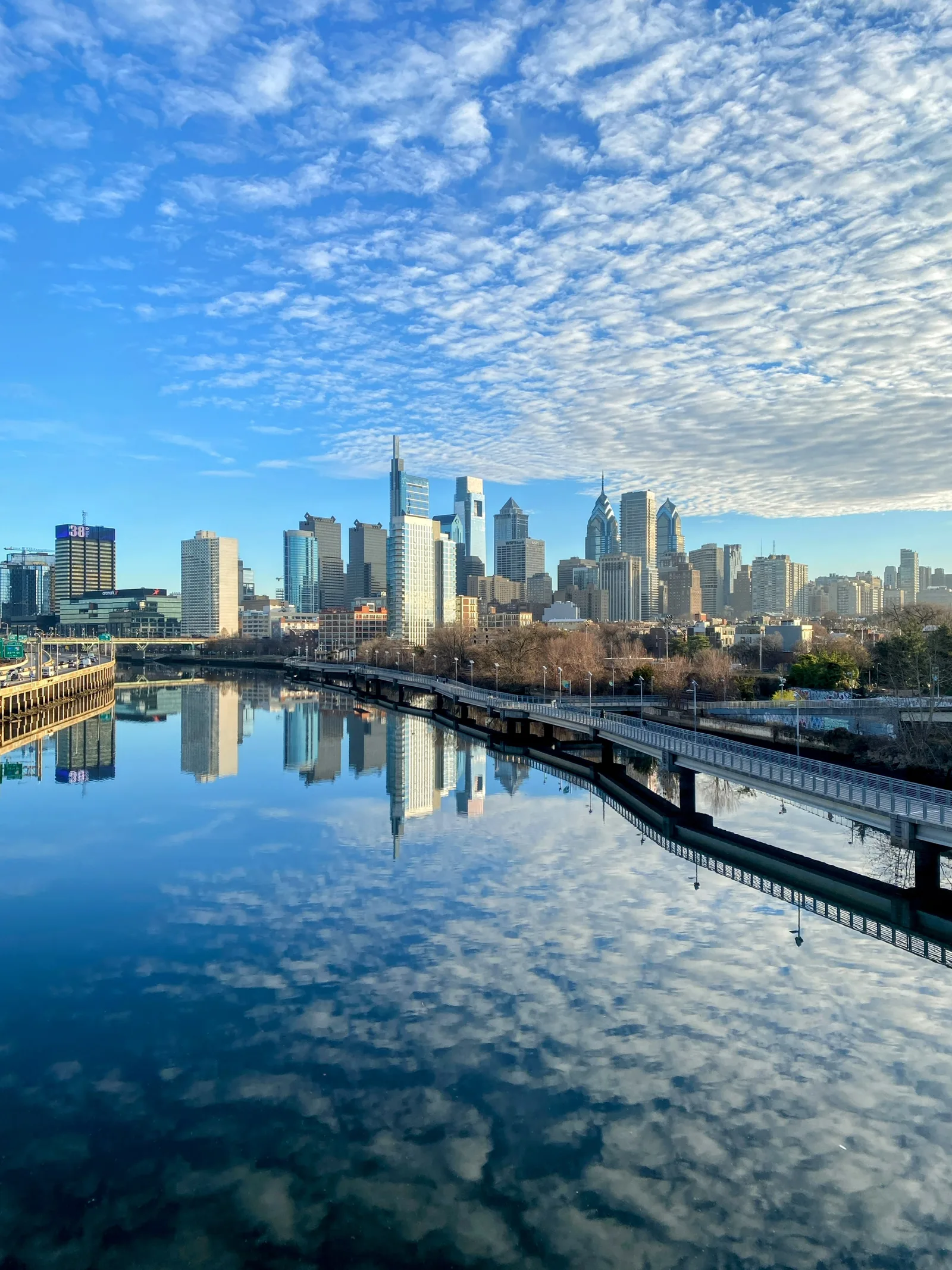

Philadelphia’s 2026 events created an unusually concentrated tourism moment. The city hosted six FIFA World Cup 26 matches, major America 250 programming around the nation’s 250th anniversary, and Major League Baseball’s All-Star Week. Together, those events gave visitors several reasons to come at once and gave hotels, restaurants, museums, transport providers, and neighborhood businesses a much larger audience.
The headline is not that every benefit can already be counted precisely. It cannot. Philadelphia has commissioned an independent analysis of the year’s major events, so a complete citywide economic total is still pending. What is clear is that the events increased visibility, created periods of very high visitor demand, and introduced Philadelphia to travelers who might not otherwise have put it at the top of their list.
Why Philadelphia Became a Major 2026 Tourism Story
Philadelphia had a rare combination of advantages in 2026. It is closely tied to the country’s founding history, has major professional sports venues, and offers a compact core where visitors can pair an event with museums, food, parks, and historic sites. The calendar turned those existing strengths into a citywide travel reason rather than a single-day occasion.
The World Cup brought international attention in June and early July. America 250 put Philadelphia at the center of the national anniversary conversation. MLB All-Star Week extended the sports draw later in July. These were not identical audiences, but their timing encouraged longer stays and repeat visits across the summer.
The Events That Drove the Visitor Surge
| Event | 2026 timing | Why it mattered for tourism |
|---|---|---|
| FIFA World Cup 26 in Philadelphia | June and July | Six matches at Lincoln Financial Field and a citywide fan experience brought global attention and strong demand for stays, dining, and local transport. |
| America 250 and July Fourth programming | Throughout 2026, with a major July focus | Philadelphia’s place in the American founding story made the city a natural destination for commemorations, exhibitions, performances, and public events. |
| MLB All-Star Week | July 10 to 14 | The first All-Star Game at Citizens Bank Park added another national sports audience shortly after the World Cup period. |
FIFA World Cup 26: International Reach and a Longer Visitor Window
Philadelphia’s six World Cup matches were the biggest international element of the summer. The city staged five group matches and a Round of 16 match at Lincoln Financial Field, including a July 4 knockout fixture. That schedule placed Philadelphia in front of supporters following teams from several countries and of viewers deciding where to travel between matches.
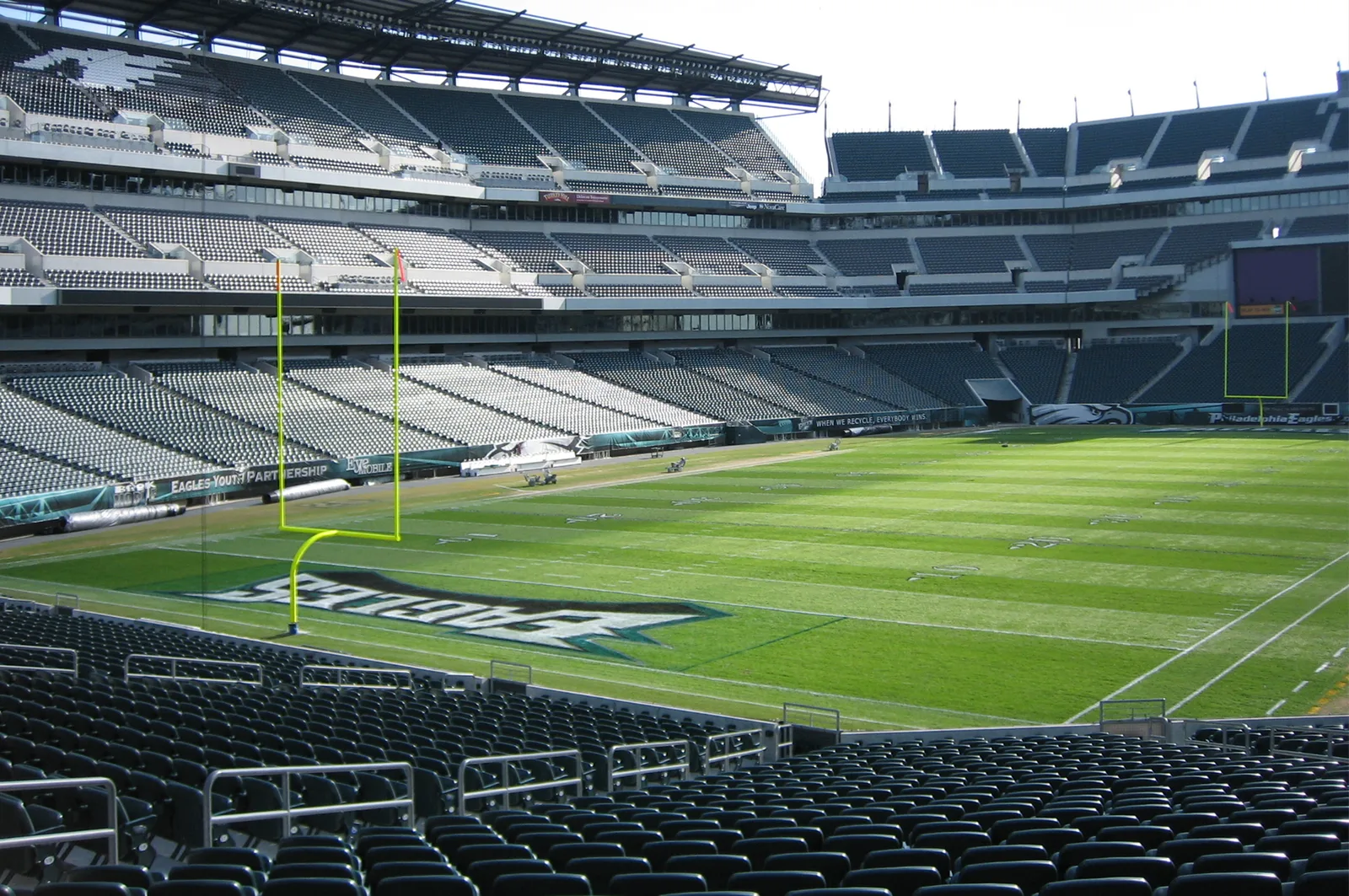

The value of an event like the World Cup goes beyond stadium attendance. Visitors need hotels, places to eat, transit, attractions, and spaces to watch other matches. A fan festival and related programming make the visit feel larger than the ticketed game. Pennsylvania reported that the six-match run welcomed more than half a million people to Philadelphia, while noting that full visitor and economic calculations were still being completed.
For travelers, this meant both excitement and pressure. Rooms, restaurant reservations, and rail seats could become harder to secure near match dates. It also meant that a visitor without a match ticket could still experience a lively, international version of Philadelphia through public screenings, neighborhood businesses, and the city’s cultural institutions.
America 250 Turned History Into a Yearlong Travel Reason
The 250th anniversary of the Declaration of Independence gave Philadelphia a role that no other American city could duplicate. Independence Hall, Independence Mall, and nearby institutions are central to the nation’s founding story, so the anniversary naturally brought museum programs, public celebrations, performances, and new ways to discuss the country’s past and future.
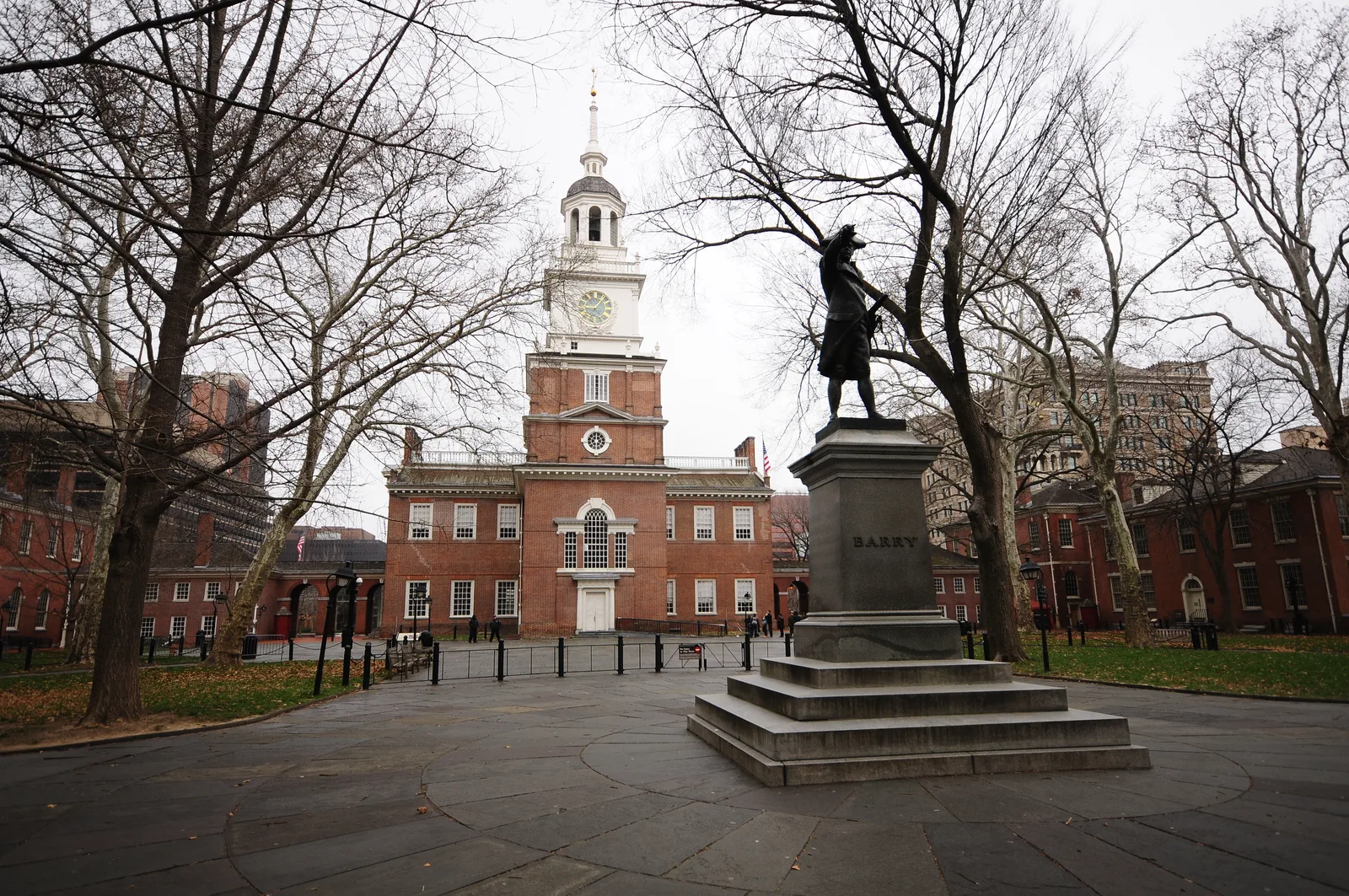

For tourism, the important difference was duration. A single sports event can create a short peak. A broad commemorative program gives families, school groups, history travelers, and weekend visitors reasons to choose different dates across the year. It also gives people a reason to combine a famous landmark with a specific exhibition, neighborhood event, or cultural program.
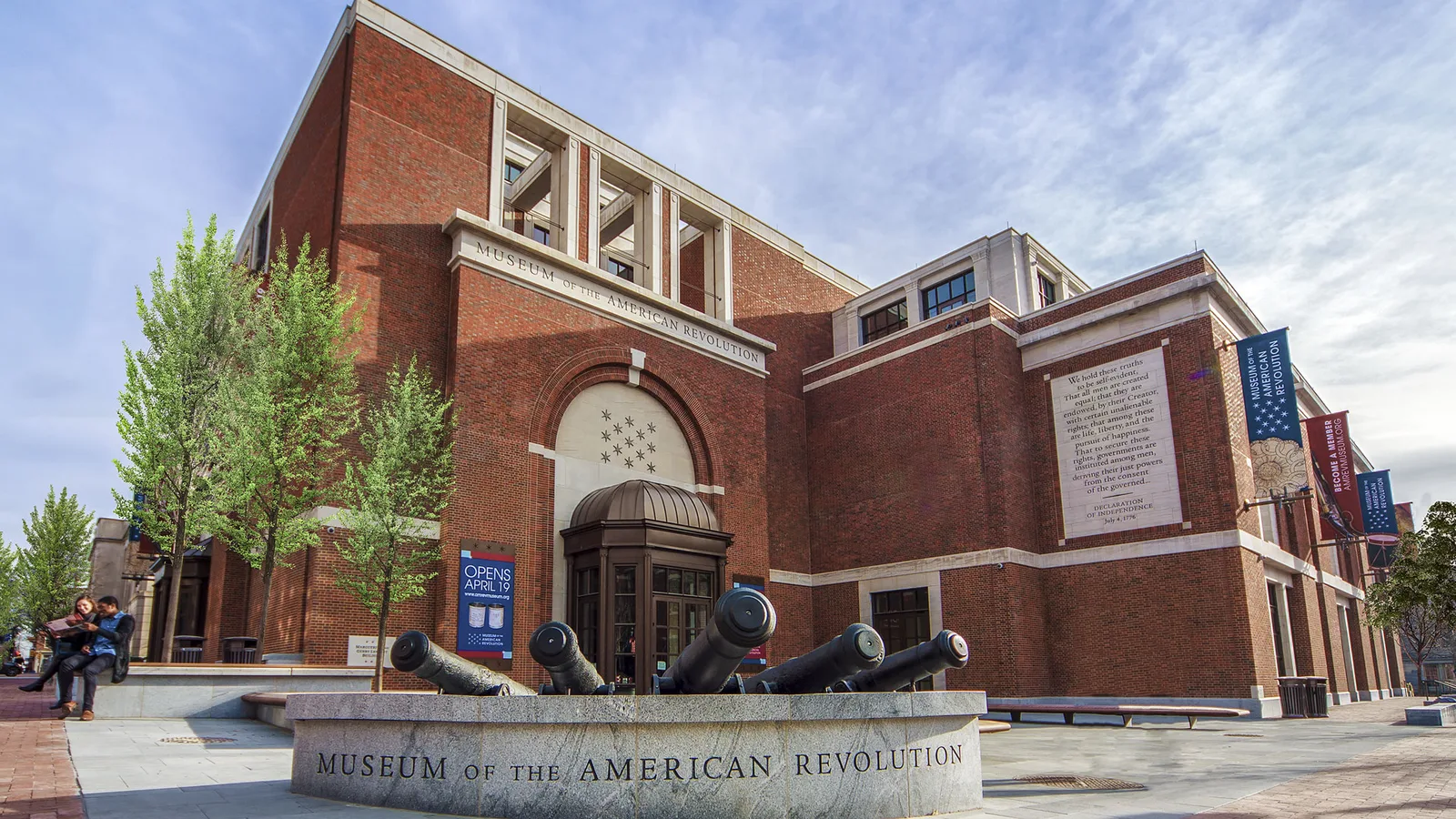
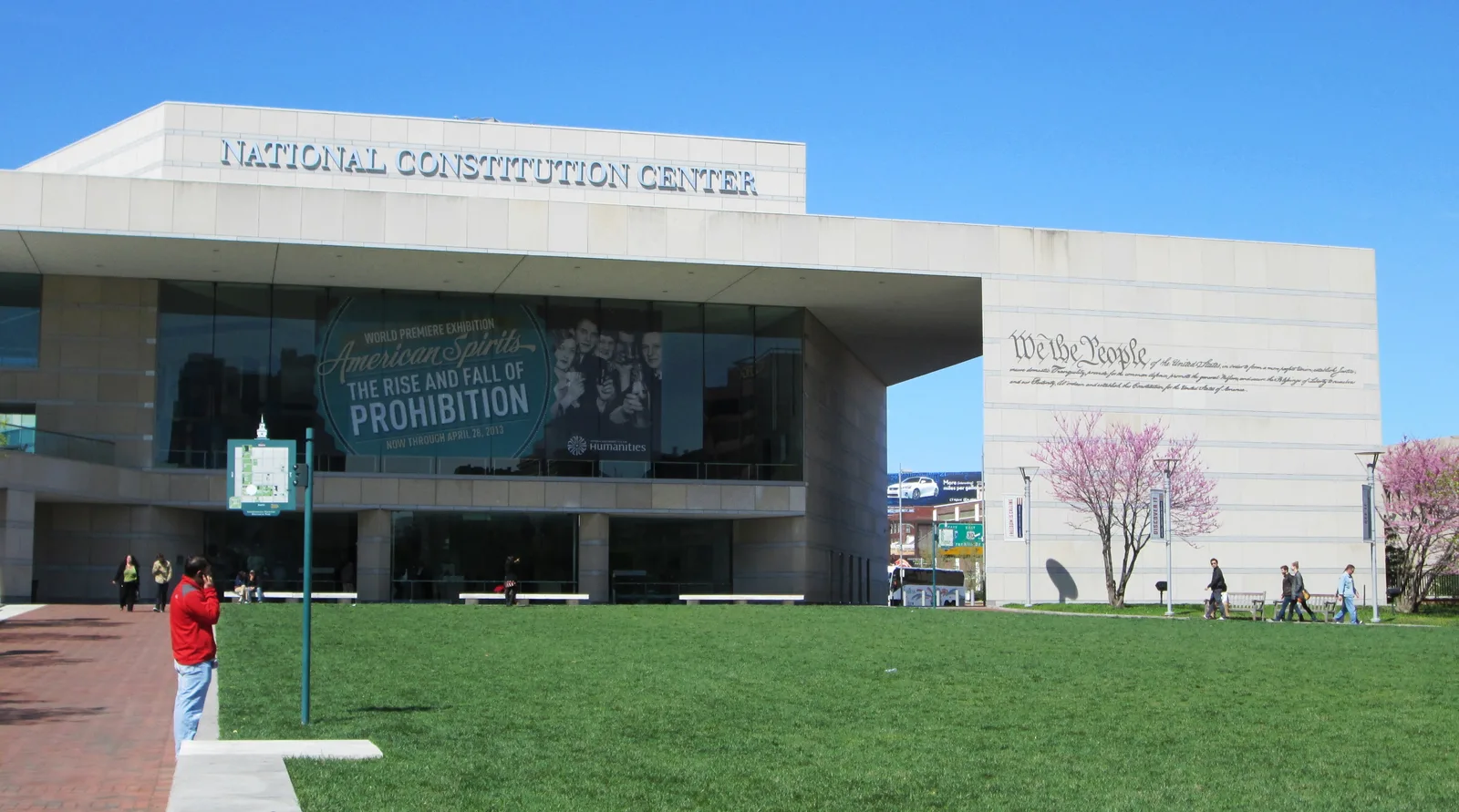
That breadth matters because it spreads interest beyond a stadium district. A visitor may begin at Independence Hall, continue to the Museum of the American Revolution or the National Constitution Center, eat in Old City, and then explore another neighborhood. The tourism benefit is strongest when visitors move through more than one part of the city.


MLB All-Star Week Added Another National Audience
MLB All-Star Week ran from July 10 through July 14, with the All-Star Game at Citizens Bank Park. The timing placed a major baseball event immediately after the World Cup and July Fourth activity. That concentration created a demanding operating period for the visitor economy, but it also kept Philadelphia in the national travel conversation for longer.
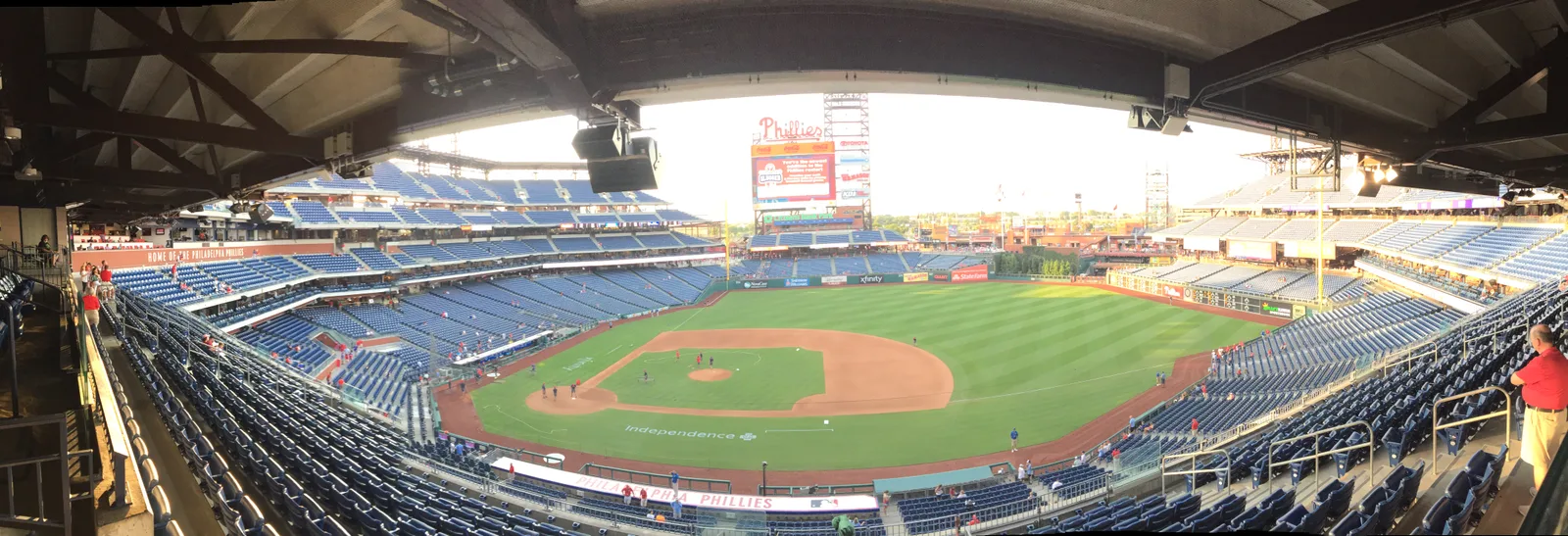

All-Star Week is wider than one game. It includes fan activities, youth events, media attention, and public appearances alongside the baseball schedule. Travelers who plan around it can use the event as the anchor for a broader stay, adding South Philadelphia food stops, Center City museums, or historic sites before and after their ballpark plans.
What the Tourism Boost Means, and What It Does Not Prove Yet
The immediate signs point to an active summer for hotels and visitor-facing businesses. Tourism forecasts released before the season anticipated stronger international travel, higher Center City hotel occupancy, and higher hotel revenue. After the World Cup, state officials described large crowds and a meaningful boost for hospitality and local businesses.
Still, a tourism boost should be measured carefully. A busy weekend does not automatically reveal the final net effect on the city, how spending was distributed, or whether benefits reached every neighborhood equally. Philadelphia’s planned independent study is designed to examine visitor activity, direct and indirect impact, tax revenue, and the distribution of activity across sectors and areas. That work is more useful than treating early projections as final results.
“The best measure of a major event is not only the crowd on the day. It is whether visitors discover more of the city and choose to return.”
How Travelers Can Still Benefit From Philadelphia’s 2026 Momentum
The busiest summer dates have passed, but the city’s 2026 visibility can still benefit travelers. Philadelphia remains easier to experience when an itinerary has one anchor activity and enough open time for nearby places. Rather than rushing between distant attractions, group stops by area and leave time for walking, transit, and a meal.
- Use Old City for the strongest concentration of founding-era sites, museums, and walkable streets.
- Choose South Philadelphia when a Citizens Bank Park visit, stadium event, or Italian Market food stop is central to the trip.
- Build a separate Center City and Parkway day for major art museums, public spaces, and performing arts venues.
- Check official event and attraction calendars shortly before travel because seasonal hours, ticket rules, and programming can change.
- Book popular restaurants and timed museum tickets in advance on weekends or during special-event periods.
The Longer-Term Opportunity for Philadelphia
A strong event year can create a lasting tourism advantage if a destination converts attention into future trips. Philadelphia has the raw materials for that: major history sites, a recognized food culture, walkable neighborhoods, professional sports, museums, and rail links to other Northeast cities. The next task is to give people who first noticed Philadelphia in 2026 a reason to come back when the crowds are smaller.
That may mean marketing seasonal city breaks, encouraging museum and neighborhood itineraries, and making it easy for first-time visitors to understand how the city fits together. The 2026 calendar did the job of attracting attention. The lasting payoff will depend on repeat visits, reliable visitor services, and businesses that turn a special-event guest into a regular traveler.
Conclusion
Philadelphia’s 2026 events gave the city an exceptional tourism platform. The World Cup delivered international visibility, America 250 connected visitors to a defining historical place, and MLB All-Star Week brought another national sports audience. The full financial outcome should wait for the independent analysis, but the travel effect is already easy to understand: Philadelphia had more reasons than usual to visit, more ways to build a trip around an event, and a bigger opportunity to turn a historic year into long-term interest.
Frequently Asked Questions
Did Philadelphia host FIFA World Cup 26 matches?
Yes. Philadelphia hosted six FIFA World Cup 26 matches at Lincoln Financial Field, including five group matches and a Round of 16 match on July 4.
Why was Philadelphia important for America 250?
Philadelphia is strongly connected to the founding of the United States and the Declaration of Independence. That made it a central location for the nation’s 250th-anniversary programming in 2026.
When was the 2026 MLB All-Star Game in Philadelphia?
The 2026 MLB All-Star Game was held at Citizens Bank Park on July 14, with All-Star Week activities running from July 10 through July 14.
Has Philadelphia released a final economic-impact total for all 2026 events?
Not yet. The City of Philadelphia commissioned an independent study in August 2026 to assess the economic and fiscal impact of major events through July 31, 2026.
What should visitors do if they want a quieter Philadelphia trip?
Choose dates outside major event weekends, reserve timed attractions ahead of time, and group activities by neighborhood. Fall, winter, and many midweek dates can offer a less crowded way to see the city.
Can travelers enjoy Philadelphia without attending a major event?
Absolutely. The city’s historic sites, museums, food neighborhoods, parks, and waterfront trails make a worthwhile trip even when no major event is on the calendar.

Canada and Mexico Dominate U.S. Tourism: Why Nearby Travelers Matter Most
See why Canada and Mexico are the United States' two leading international tourism markets and what their visitors mean for U.S. destinations.
ICE Launched a New Initiative Targeting U.S. Birth Tourism Schemes: What It Means for Travelers
Understand ICE's Birth Tourism Initiative, U.S. visitor-visa rules, and practical steps for legitimate pregnancy-related or medical travel.
Saint Martin Island Tourism Closure: What the 2026 Restrictions Mean for Travelers
Learn what Saint Martin's Island tourism closure means for travelers, including current access rules, possible reopening dates, visitor limits, and planning advice.